
Vandoren Traditional Reeds are the best alto saxophone reeds for most players because they provide a consistent response across every register, which is essential for developing a reliable tone. Finding the right reed can feel overwhelming, but the choice usually comes down to your current skill level and the musical style you enjoy playing most. This guide helps you navigate the options by focusing on the specific design traits that matter for your daily practice and performance.
Quick Picks
- Best Overall: Vandoren Traditional Reeds — provide a consistent response and clear tone in all registers.
- Most Consistent Tone: Legere Signature Reeds — synthetic material ensures stable performance regardless of the environment.
- Best for Jazz: Vandoren JAVA Reeds — flexible design allows for a bright sound and immediate response.
- Best for Beginners: Vandoren JUNO Reeds — specifically designed to make playing easier for new students.
- Most Durable Synthetic: Legere Classic Reeds — ready to play without the need for any pre-soaking.
- Best for Classical: Vandoren V.12 Reeds — thicker heel and longer palette create a rich, deep sound.
- Easiest Response: D’Addario Rico Organic Reeds — traditional profile makes them ideal for student development.
- Best Weather Resistant: D’Addario Plasticover Reeds — plastic coating prevents damage from moisture and heat changes.
- Best Dark Timbre: Legere French Cut — crafted to help classical players achieve a focused, dark sound.
- Best Variety Pack: Vandoren Jazz Mix — includes four different styles to help you find your preference.

- Responsive in all registers
- Flexible for legato and staccato
- Available for all clarinets and saxophones
- Sealed in Flow Pack for freshness
- Consistent tonal depth
- Synthetic material resists humidity
- Ready to play without soaking
- Includes carry case

- More flexible than traditional reeds
- Bright sound with immediate response
- Available in other strengths
- Sealed in Flow Pack for freshness

- Pack of 10 for beginners
- Responsive for novice players
- Made by Vandoren
- Each reed in individual case

- Thicker heel for more vibration
- Thicker tip for rich sound
- Available in other strengths
- Sealed in Flow Pack for freshness

- Traditional blank for easy response
- Harvested and manufactured in the USA
- Standard for students and teachers
- Suitable for students and jazz musicians

- Traditional Rico cut with plastic coating
- Resists moisture and climate changes
- Strength 2.5, unfiled cut, 5 reeds
- Cane quality sorted by video inspection
- Dark and focused sound
- Synthetic material resists humidity
- Ready to play without soaking
- Includes carry case
- Includes four jazz style reeds
- Available in other strengths
- Sealed in Flow Pack for freshness
- Each reed has unique characteristics
1. Vandoren SR213 Alto Sax Traditional Reeds Strength 3; Box
Best for: Players who need a reliable reed for all styles of music.
These reeds are a staple for many because of their predictable nature. They handle large intervals with ease, allowing you to move between notes without sacrificing clarity. Because they’re designed to work well in both staccato and legato passages, they suit a wide range of musical demands.
The sealing process keeps each reed fresh until you’re ready to open it. This attention to detail means you spend more time focusing on your technique. Compared to the Vandoren JAVA Reeds, these offer a more balanced resistance that’s better suited for traditional classical playing.
Pros
- Excellent response in all registers.
- Highly flexible for different articulations.
- Flow Pack sealing preserves freshness.
- Available in various strengths.
Cons
- Requires traditional cane care, which can be time-consuming for some players.
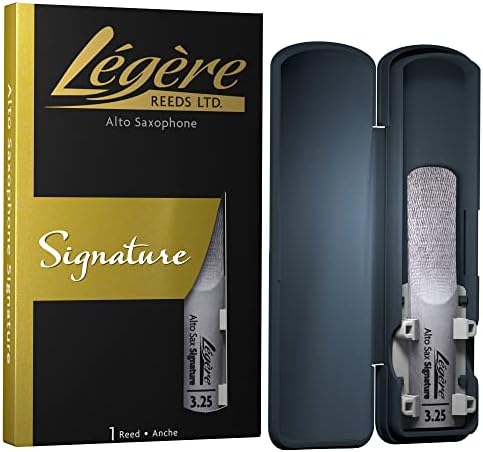
2. Legere Signature Reeds
Best for: Musicians who perform in changing climates and need consistency.
The Signature series stands out because it’s made from synthetic material. This means you don’t have to worry about the reed drying out or warping due to high humidity. You can pick it up and play instantly, which is a major advantage for busy performers.
The tonal depth is designed to be as close to cane as possible while providing the longevity of a synthetic product. Anyone who finds that their cane reeds change too much between practice sessions will appreciate this stability. It is a synthetic alternative to the D’Addario Rico Organic Reeds.
Pros
- Synthetic build resists environmental conditions.
- Ready to play without soaking.
- Includes a protective carry case.
- Consistent tone throughout its lifespan.
Cons
- Synthetic material may feel different to players used to traditional cane.
3. Vandoren SR2625 Alto Sax JAVA Reeds Strength 2.5; Box
Best for: Jazz saxophonists who require a bright, responsive sound.
These reeds are built for flexibility, which helps when you need to navigate fast jazz lines. The longer palette allows for more vibration, contributing to a brighter tone that projects well. If you’re looking for a reed that reacts quickly to your air, this is a strong choice.
The design is noticeably more flexible than the Vandoren Traditional Reeds. This extra movement makes it easier to achieve the expressive nuances often required in jazz and pop performance. Like other Vandoren products, the individual sealing ensures that each one is ready for use right out of the box.
Pros
- Flexible design for fast playing.
- Bright sound with immediate response.
- Flow Pack sealed for freshness.
- Suitable for jazz and contemporary styles.
Cons
- The increased flexibility may be too much for beginners who are still learning breath control.
4. Vandoren JUNO Alto Saxophone Reeds
Best for: Students and beginners starting their musical journey.
Learning to play the saxophone is challenging, and these reeds are designed to remove some of the frustration. They’re specifically crafted to be more responsive, which makes producing the first few notes much easier for a novice. This helps build confidence early on.
Each reed comes in its own case, keeping it safe until the student needs it. While the Vandoren Traditional Reeds are excellent, the JUNO line is specifically tuned to the needs of someone just learning the basics. It’s a great starting point before moving on to more specialized strengths or cuts.
Pros
- Responsive design for easier playing.
- Individual cases for each reed.
- Made by a top-tier reed manufacturer.
- Tailored for the student experience.
Cons
- Experienced players may find them too soft for advanced techniques.
5. Legere Classic Reeds

Best for: Students who want the durability of synthetic without complex choices.
The Classic line offers the same synthetic benefits as the Signature series but is aimed at a more general player. You get the advantage of a reed that never needs soaking, which is perfect for a student who might forget to prep their gear before a lesson. It’s built to last, saving you from replacing reeds as often.
Because it’s synthetic, it stands up well to the daily wear and tear of school practice. Anyone who prefers a simple, ready-to-use reed will like this option. It’s less specialized than the Legere French Cut, which is designed for a very specific, dark sound profile.
Pros
- No pre-soaking required.
- Ready to play instantly.
- Durable synthetic material.
- Consistent quality for students.
Cons
- The tone profile is less focused than the professional-grade French Cut.
6. Vandoren SR613 Alto Sax V.12 Reeds Strength 3; Box
Best for: Classical players seeking a rich and deep tonal quality.
These reeds feature a thicker heel and a longer palette, which allows for more vibration. This design choice results in a deep, rich sound that many classical performers prefer. The thicker tip also contributes to the longevity of the reed, meaning you can practice longer before needing a replacement.
The V.12 is distinct from the Vandoren JAVA Reeds because it focuses on a complex, dark attack rather than the bright, immediate response of the jazz line. It’s a reliable choice for anyone who needs to maintain a consistent, professional sound during long concert performances.
Pros
- Thicker heel for increased vibration.
- Deep and rich sound profile.
- Longer lasting due to the thicker tip.
- Flow Pack sealed to maintain quality.
Cons
- The thicker design may require more air support than lighter reeds.
7. D’Addario Rico Organic Reeds
Best for: Educators and students who need a standard choice.
Rico reeds have been a standard in classrooms for generations. They use a traditional blank and profile that makes them predictable for students learning to form their embouchure. Because they’re made from naturally grown cane, they offer the classic feel that many teachers expect.
These are ideal for a student who is just starting to refine their tone. While the Vandoren JUNO Reeds are also designed for beginners, these provide a more traditional cane experience that some educators prefer. They’re widely available and offer a reliable, immediate response for those developing their skills.
Pros
- Traditional profile for ease of play.
- Standard for educators and students.
- Harvested from naturally grown cane.
- Immediate sound production.
Cons
- Natural cane can be less durable than synthetic alternatives.
8. D’Addario Plasticover Alto Sax Reeds Strength 2.5
Best for: Musicians who switch instruments or play in extreme weather.
The plastic coating on these reeds is the key feature. It protects the cane from moisture and climate changes, meaning the reed stays consistent even if you move from a humid environment to a dry one. This makes them perfect for doublers who need to switch between instruments quickly.
The coating also adds a bit of brilliance to the sound, which many jazz and pop musicians enjoy. It’s a much more robust option compared to the D’Addario Rico Organic Reeds, which lack the protective layer and can react more strongly to the surrounding air.
Pros
- Plastic coating resists moisture and heat.
- Responds instantly in various climates.
- Clear and projecting tone.
- Ideal for quick changes between instruments.
Cons
- The plastic coating changes the natural feel of the cane.
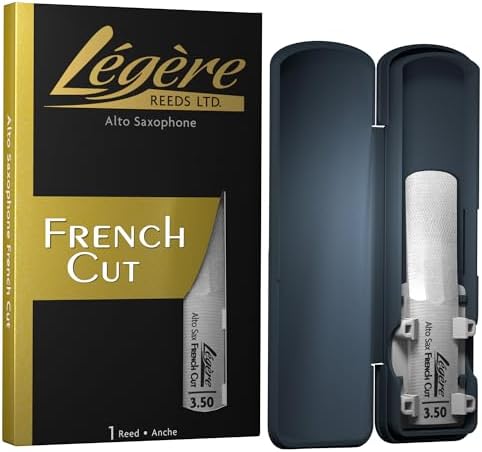
9. Legere French Cut
Best for: Classical saxophonists who prioritize a dark, focused sound.
This reed is designed with a specific shape to help classical players achieve a darker, more centered tone. If you feel that your current setup is too bright, the French Cut can help you shift your sound toward a more traditional classical aesthetic. Like other Legere products, it’s made of synthetic material.
You get the same durability and convenience as the Legere Signature Reeds, but with a profile that caters to a different musical goal. It’s an excellent choice for a professional who needs a stable, consistent reed for orchestral or chamber work.
Pros
- Designed for a dark, focused sound.
- Synthetic durability resists humidity.
- No pre-soaking required.
- Professional-grade design.
Cons
- The specific cut may not be as versatile for non-classical genres.
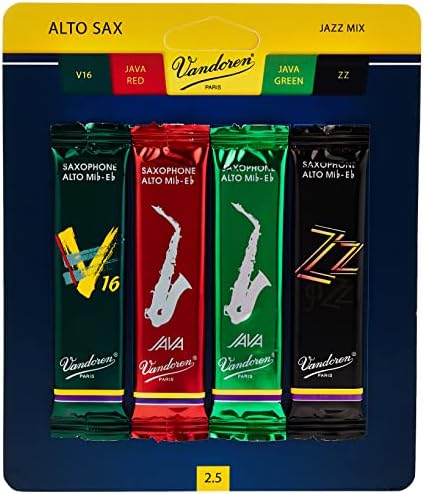
10. Vandoren SRMIXA25 Alto Sax Jazz Reed Mix Card includes 1
Best for: Players who want to experiment with different jazz styles.
If you aren’t sure which jazz reed suits you best, this mix card is the perfect solution. It includes one of each style: ZZ, V16, JAVA, and JAVA Red. This allows you to test the unique characteristics of each without buying a full box of every type.
The comparison chart included in the pack helps you understand the subtle differences between these reeds. It is a great way to learn what you prefer before committing to a larger purchase. This variety is a unique offering compared to standard single-style boxes.
Pros
- Economical way to sample four styles.
- Includes a comparison chart.
- Flow Pack sealed for each reed.
- Helps identify personal preferences.
Cons
- Only one of each reed is included, which limits how much you can test each one.
Also Worth Considering
Sovvid Pack Alto Saxophone Reeds are a traditional reed option that features laser-engraved markings and a thinner tip for easier play. They’re bested by the Vandoren JUNO Reeds, which offer a more refined design specifically for beginners, but they remain an option for those who want a basic, traditional cane reed.
CeMeow Alto Saxophone Reeds use advanced cutting technology and a thinner tip to assist students and beginners. These may appeal to players looking for a different manufacturing approach.
How We Chose
Only reeds with clear, descriptive information regarding their intended use were included. Products were selected based on the specific needs of different players, such as the need for durability in synthetic options or the requirement for a specific tone profile in classical reeds.
How to Choose the Best Alto Saxophone Reeds
Material: Cane vs. Synthetic
The choice between natural cane and synthetic material dictates how you care for your reeds. Cane, as seen in Vandoren Traditional Reeds and D’Addario Rico Organic Reeds, provides a classic, warm sound but requires soaking and is sensitive to weather. Synthetic reeds like Legere Signature Reeds offer durability and consistency, making them ideal for players who perform in various environments.
The Influence of the Cut
The cut and profile of a reed change how it vibrates. A longer palette, like the one found on Vandoren V.12 Reeds, generally produces a richer, deeper sound suited for classical music. Conversely, the flexible design of Vandoren JAVA Reeds promotes a brighter, more immediate sound that’s favored by jazz and pop musicians.
Strength and Skill Level
Choosing the right strength is vital for your development. Beginners usually start with low strengths, which offer less resistance and make it easier to produce a sound, as seen with Vandoren JUNO Reeds. As you gain more control and air support, you can transition to stronger reeds that provide more resistance and tonal depth.
Frequently Asked Questions
Do I need to soak synthetic reeds before playing?
No, you don’t need to soak synthetic reeds. Products like Legere Signature Reeds and Legere Classic Reeds are designed to be ready to play the moment you take them out of the case. This is a primary benefit for performers who need to switch instruments or start playing immediately without preparation.
How do I store my reeds to keep them safe?
Proper storage is key to extending the life of your reeds. Most professional reeds, such as the Legere French Cut or Vandoren Traditional Reeds, come with their own cases or individual packaging. Keeping them in these containers protects them from physical damage and helps maintain their moisture balance, which is essential for woodwind instrument maintenance.
Can I use jazz reeds for classical music?
While you can technically use any reed for any style, jazz reeds like the Vandoren JAVA series are designed with a more flexible, brighter profile that may not offer the dark, focused sound required for traditional classical performance. For classical work, reeds like the Vandoren V.12 or Legere French Cut are specifically optimized to help you achieve that desired timbre.
What should I do if a reed feels too hard to play?
If a reed feels too hard, you may be using a strength that’s too high for your current level of air support. Beginners are often advised to start with a lower strength, like the 1.5 mentioned for Vandoren JUNO Reeds, to build their embouchure without unnecessary strain. It’s better to move up in strength gradually as you improve.
Are synthetic reeds better than cane?
Neither is objectively better; they serve different purposes. Synthetic reeds provide consistent performance and durability, which is excellent for busy professionals or those in changing climates. Cane reeds offer a traditional feel and tonal complexity that many performers prefer. Your choice depends on whether you value the convenience of synthetic or the classic response of cane.
Final Thoughts

Vandoren Traditional Reeds remain the best choice for most players due to their reliable response and versatility across all musical styles. If you need a more durable or consistent option for frequent outdoor or professional performances, the Legere Signature Reeds provide a stable alternative. Try a variety pack to find your perfect fit.
As an Amazon Associate, Cleanestor earns from qualifying purchases at no additional cost to you.