
Acoustic guitar and bass have different complexities, making it difficult to determine which is easier. However, the learning curve for acoustic guitar may be considered easier due to its simpler techniques and fewer strings compared to the bass guitar.
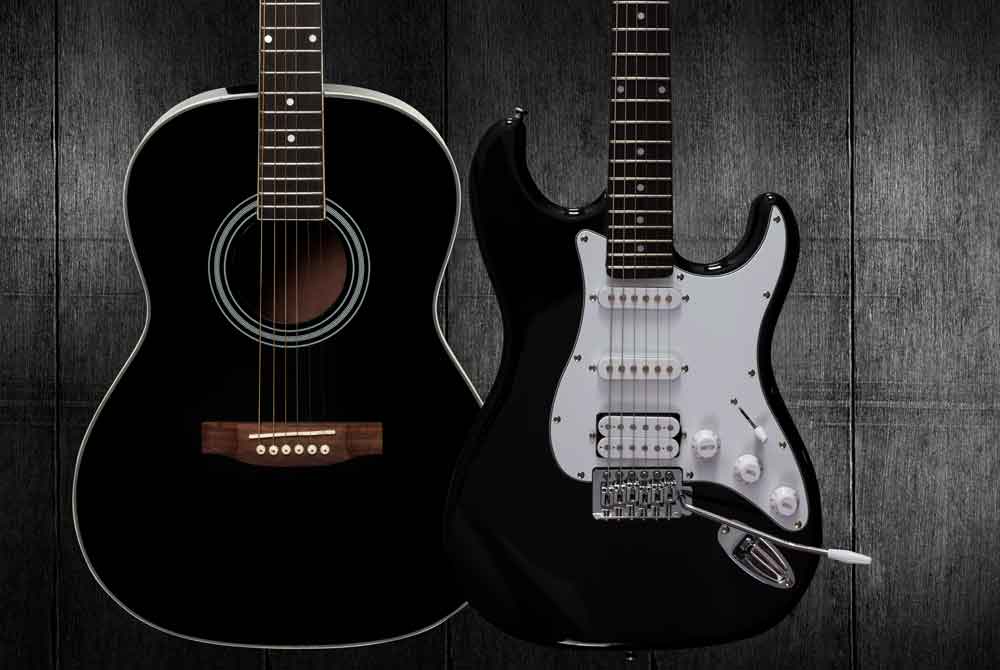
Credit: pianocloseouts.com
If you are thinking about learning a string instrument, you may be wondering: Is acoustic guitar easier than bass? It is a common question for beginners because acoustic guitar and bass guitar look similar and share many of the same basic techniques. However, they are designed for different musical roles, and each instrument presents its own challenges.
Recommended Guitar Buying Guides:
- 7 Best Acoustic Guitars for Every Skill Level and Budget
- 9 Best Beginner Guitar Picks for Your Musical Journey
- 10 Best Acoustic Guitar Strings: Our Expert Picks
- 10 Best Beginner Electric Guitar Models for New Players
- 6 Best Beginner Bass Guitar Picks for Your First Instrument
- 10 Best Classical Guitar Strings for Every Playing Style
For most beginners, an acoustic guitar can feel more difficult at first because you often need to play chords, switch between them, and develop a consistent strumming or picking technique. Bass usually involves playing one note at a time, which can make the first few lessons feel more straightforward.
That does not necessarily mean bass is easier overall. Bass has longer strings, wider fret spacing, and different rhythmic demands. As your skills develop, both instruments can become increasingly challenging.
So, is acoustic guitar easier than bass? The answer depends on what you want to play, your physical comfort, your musical goals, and how you prefer to learn. This guide compares the two instruments so you can understand which one may be more suitable for you.
Understanding the Difference Between Acoustic Guitar and Bass
Before comparing difficulty, it helps to understand what each instrument does.
An acoustic guitar typically has six strings and is commonly used to play chords, melodies, riffs, fingerstyle arrangements, and rhythm parts. Because it can produce both harmony and melody, a single guitarist can create a relatively complete musical accompaniment.
A standard bass guitar usually has four strings, although five- and six-string basses are also available. Bass generally provides the low-frequency foundation of a song. Bass players often connect the rhythm section with the harmony by working closely with the drummer and other musicians.
These different roles affect how you learn each instrument.
On acoustic guitar, beginners frequently learn open chords such as C, G, D, A, and E. They may then practice changing between chords while maintaining a steady strumming pattern.
On bass, beginners may initially focus on playing individual notes, following a simple bass line, and staying in time with a beat.
This is one reason bass can seem easier during the very beginning stages.
Is Acoustic Guitar Easier Than Bass for Beginners?
For many beginners, acoustic guitar has a steeper initial learning curve.
The biggest reason is that guitar often requires you to coordinate several things at once. You may need to hold a chord with your fretting hand while using your other hand to strum a particular rhythm. You then need to change chords without losing the beat.
Even a simple song can require several chord changes.
Bass can initially be more direct. If a song uses a simple bass line, you may only need to play one note at a time. Instead of forming a complete chord, you can concentrate on finding the correct notes and playing them at the right moment.
However, there is an important distinction between easy to start and easy to master.
Bass players have to develop strong rhythmic awareness. A bass line that contains only a few notes can still sound wrong if those notes are played with poor timing. Bass often requires you to listen carefully to the drummer and understand how your notes fit into the groove.
Therefore, acoustic guitar may demand more coordination at the beginning, while bass can place greater emphasis on timing and rhythmic control.
Why Acoustic Guitar Can Be Difficult
Acoustic guitar has several characteristics that can make it challenging for new players.
Chord Shapes
Learning guitar chords requires your fretting hand to press multiple strings simultaneously. Some chord shapes can feel awkward at first because your fingers need to move independently.
Beginners often experience difficulty getting every string to sound clearly. A finger may accidentally touch a neighboring string, resulting in a muted or buzzing note.
This usually improves with practice as your hand coordination develops.
Chord Changes
Knowing individual chords is only part of learning guitar. You also need to transition smoothly between them.
For example, moving from G to C or D to A requires you to reposition several fingers. At first, these changes can feel slow and uncomfortable.
Eventually, your hands begin to recognize familiar shapes and movements, making the process much more automatic.
Strumming
Strumming may appear simple, but maintaining a steady pattern while changing chords is a coordination exercise.
A beginner might know exactly which chords to play but still struggle to keep the rhythm consistent. This is completely normal.
Fingerstyle Playing
Acoustic guitar also offers fingerstyle techniques in which individual strings are played separately with different fingers. This can be considerably more complex than basic strumming.
Advanced acoustic guitarists may combine bass notes, melodies, chords, percussion techniques, and different picking patterns simultaneously.
So while acoustic guitar can be approachable, it has plenty of room for technical development.
Why Bass Can Be Difficult
Bass has its own challenges that should not be underestimated.
Larger Instrument
Bass guitars generally have longer necks and thicker strings than standard guitars. The fretboard can therefore feel larger, especially for someone with smaller hands.
Reaching notes comfortably may take some adjustment.
String Tension
Bass strings tend to feel thicker and require a different technique. Beginners who are used to lighter guitar strings may initially find bass physically demanding.
With proper technique and regular practice, your hands can become more comfortable with the instrument.
Rhythm and Timing
One of the most important skills for a bass player is timing.
A bassist often needs to lock in with the drummer and create a consistent rhythmic foundation. Even a simple bass line can require precise timing.
For example, playing the correct note slightly too early or too late can change the feel of a musical passage.
Muting
Bass players also spend considerable time learning how to control unwanted string noise. Because bass strings are large and can continue vibrating for a long time, muting is an important part of clean playing.
As you progress, you may use both hands to control which strings should and should not ring.
Advanced Bass Techniques
Bass can become highly technical. Players may learn slap and pop, tapping, slides, harmonics, fast scales, complex grooves, and intricate melodic lines.
Therefore, although basic bass can be relatively easy to approach, advanced bass playing is certainly not simple.
Which Instrument Is Easier to Play Physically?
Physical comfort varies from person to person.
An acoustic guitar is generally smaller than a bass guitar, which can make it easier to hold and move around. However, pressing guitar strings into chord shapes can require significant finger coordination.
Bass has fewer strings, but the strings are usually thicker and the neck is longer.
For someone with smaller hands, the larger fret spacing of a bass may initially be uncomfortable. On the other hand, someone who dislikes forming guitar chords might find bass more natural.
Your choice of instrument size also matters. There are smaller acoustic guitars and shorter-scale basses available, which can make learning more comfortable for beginners.
Good posture and technique are important regardless of the instrument. If something consistently causes pain rather than ordinary beginner discomfort, it is worth stopping and checking your technique with a qualified teacher.
Which Is Easier to Learn Songs On?
This depends heavily on the type of songs you want to play.
If your goal is to sing while accompanying yourself, acoustic guitar may be the more natural choice. Many songs can be reduced to a handful of chords, allowing beginners to play recognizable versions relatively quickly.
For example, a song might use four basic chords repeated throughout its structure. Once you learn those chords and a suitable strumming pattern, you can accompany the song.
Bass is different. A bass player normally supports a larger musical arrangement rather than playing the entire harmonic structure.
If you enjoy playing along with recordings and following the rhythm section, bass can be very satisfying. You can start with simple bass lines and gradually work toward more complicated parts.
The easiest instrument for learning songs is therefore partly determined by the songs you want to play.
Which Is Easier for Music Theory?
Neither instrument automatically makes music theory easy or difficult.
However, both instruments can teach you useful musical concepts.
On guitar, chord shapes provide a practical introduction to harmony. You can see how different notes combine to form chords and how chords relate to keys.
Bass can provide a strong introduction to scales, roots, intervals, rhythm, and chord tones. Since bass lines often emphasize the underlying harmony, learning bass can help you understand how songs are constructed.
A beginner does not need extensive music theory before starting either instrument. You can learn practical theory gradually while learning songs.
Acoustic Guitar vs. Bass: A Beginner Comparison
| Feature | Acoustic Guitar | Bass |
|---|---|---|
| Typical number of strings | 6 | 4 |
| Main role | Rhythm, chords, melody | Rhythm and low-end foundation |
| Beginner chord work | Common | Less central |
| Single-note playing | Common | Very common |
| Strumming | Major technique | Not normally central |
| Rhythm importance | High | Extremely important |
| Fretboard size | Generally smaller | Generally larger |
| String thickness | Usually lighter | Usually heavier |
| Singing accompaniment | Excellent | Less common |
| Playing solo | Very accessible | Possible but less typical |
| Beginner difficulty | Often moderate initially | Often approachable initially |
| Advanced difficulty | High | High |
This comparison shows why there is no universal answer to whether acoustic guitar is easier than bass.
What Should You Learn First?
If you are deciding between the two, start by thinking about the kind of musician you want to become.
Choose Acoustic Guitar If You Want to:
- Sing while playing
- Play chords
- Accompany yourself
- Learn folk, pop, country, rock, or singer-songwriter music
- Play melodies and chords on one instrument
- Experiment with fingerstyle
- Have an instrument that works well without amplification
Acoustic guitar is particularly useful if your goal is to pick up an instrument and accompany yourself with songs.
Choose Bass If You Want to:
- Focus on rhythm and groove
- Play with a band
- Follow drum patterns
- Learn bass lines from your favorite songs
- Explore funk, rock, jazz, pop, or other rhythm-focused styles
- Develop a strong sense of timing
- Prefer playing individual notes instead of forming many chords
Bass can be an excellent choice if you enjoy the way the low end of a song drives its rhythm and energy.
Can Learning Guitar Make Bass Easier?
Yes. There is considerable overlap between guitar and bass.
Both instruments use frets and strings, and many concepts transfer between them. If you understand the musical notes on a guitar fretboard, that knowledge can help when learning bass.
Guitar players can also transfer some skills involving picking, rhythm, scales, and musical terminology.
However, bass should not simply be treated as a guitar with fewer strings.
Bass technique has its own requirements. A bassist needs to understand how to produce a clean, controlled tone and how to support the rhythm section.
A guitarist moving to bass may initially have to adjust to the longer scale length, thicker strings, and different role within a band.
Can Learning Bass Make Guitar Easier?
Bass can also provide skills that are useful for learning guitar.
Bass teaches you to pay close attention to rhythm, timing, scales, and chord roots. These skills can help when you eventually study guitar.
However, moving from bass to acoustic guitar introduces additional challenges involving chord shapes and strumming.
Someone who becomes comfortable playing single-note bass lines may still need substantial practice before smoothly playing guitar chords.
The good news is that musical experience transfers between instruments. Learning one string instrument can make the general process of learning another less unfamiliar.
How Long Does It Take to Learn Acoustic Guitar or Bass?
There is no fixed timeline because progress depends on practice frequency, previous musical experience, instruction, and the complexity of what you are trying to play.
A beginner who practices consistently can usually learn basic techniques relatively quickly. But becoming comfortable enough to play songs smoothly takes longer.
Instead of asking how many weeks or months it takes, it can be more useful to divide your learning into stages.
First, learn how to hold the instrument and produce clean notes.
Next, learn basic chords or single-note patterns.
Then practice rhythm and timing.
After that, start combining techniques while playing complete songs.
Eventually, you can work on scales, improvisation, more difficult songs, and your own musical ideas.
Progress is rarely perfectly linear. Some techniques may become comfortable quickly while others take considerably longer.
Tips for Making Either Instrument Easier
Regardless of which instrument you choose, your learning strategy can make a major difference.
Practice Regularly
Short, consistent practice sessions are often more manageable than occasionally practicing for a very long time.
Even a modest routine can help you build familiarity with the instrument.
Start Simple
Do not begin with the most technically demanding song you can find.
Choose music that challenges you without making every practice session frustrating.
Practice Slowly
Speed can hide mistakes. Playing slowly gives you more control over finger placement, rhythm, and note accuracy.
Once a passage feels comfortable, gradually increase the speed.
Use a Metronome
A metronome is particularly useful for developing timing. This is valuable for both guitarists and bassists.
Start at a comfortable tempo and focus on playing consistently.
Learn Complete Songs
Exercises are useful, but learning complete songs can make your practice feel more musical.
Finishing a song also gives you a clear sense of progress.
Consider a Teacher
A qualified music teacher can help you develop good technique and identify problems before they become habits.
Online lessons and structured courses can also be useful if in-person instruction is not practical.
So, Is Acoustic Guitar Easier Than Bass?
For many complete beginners, acoustic guitar may feel harder during the first stage of learning because of chord shapes, chord transitions, and strumming coordination.
Bass can feel simpler initially because beginners can often play one note at a time and avoid complex chord shapes.
But that does not make bass universally easier.
Bass has its own demands, particularly when it comes to rhythm, timing, muting, finger strength, and navigating a larger fretboard. As you advance, both instruments offer significant technical and musical challenges.
The better question may not be “Which instrument is easier?” but “Which instrument matches the music I want to make?”
If you dream of singing while strumming chords, acoustic guitar may make more sense. If you enjoy grooves, rhythm sections, and building the foundation of a song, bass may be more appealing.
Frequently Asked Questions On Is Acoustic Guitar Easier Than Bass
Is Bass Guitar Harder Than Acoustic Guitar?
No, bass guitar is not necessarily harder than acoustic guitar. Both instruments require practice and dedication to master. The difficulty level depends on the individual’s personal skills and preferences.
Is It Easier To Learn Acoustic Or Bass Guitar?
Learning the acoustic or bass guitar depends on personal preference. Both have unique characteristics and require different techniques. Decide based on the style of music you want to play.
Should I Learn Bass Or Acoustic First?
It’s up to personal preference. Both bass and acoustic guitar have their unique qualities. If you’re drawn to deep rhythm and supporting the band, start with bass. If you prefer versatile melodies and playing solo, begin with acoustic guitar. Choose the one that resonates with you the most!
Is It Easier To Learn Guitar Or Bass First?
Learning guitar or bass depends on personal preference. Both instruments have similarities, but learning bass can be easier due to fewer strings and simpler playing techniques. However, some find guitar more accessible as it offers a wider range of music styles.Ultimately, it’s best to choose the instrument that resonates with you.
Conclusion
So, is acoustic guitar easier than bass? There is no single answer that applies to every beginner.
Acoustic guitar can have a more challenging starting point because of chord shapes and strumming, but it offers a direct way to accompany songs and explore both harmony and melody. Bass may be easier to approach at first because of its emphasis on single notes, but developing excellent timing, groove, muting, and technique can make advanced bass playing highly demanding.

Your interests should play a major role in the decision.
If you are excited about acoustic guitar, do not avoid it simply because you have heard that guitar is difficult. If bass catches your attention, do not assume that having fewer strings means there is little to learn.
Both instruments can be rewarding, and neither requires you to be naturally talented before you begin. Start with the instrument that makes you want to pick it up and practice. With consistent work, patience, and good technique, the skills that seem difficult at first can gradually become much more natural.
As an Amazon Associate, Cleanestor earns from qualifying purchases at no additional cost to you.