
The Audio-Technica ATH-M50X is the best headphones for studio work because of its critically acclaimed sonic performance and versatile design. This guide helps you navigate the crowded market of professional audio gear to find the right pair for your specific workflow. The most important difference between these picks is the ear cup design, which determines how much outside noise you hear and how natural the sound feels.
Quick Picks
- Best Overall: Audio-Technica ATH-M50X — Delivers professional-grade sonic performance and excellent sound isolation.
- Best Open-Back Design: beyerdynamic DT 990 Pro — Provides a wide, natural stereo image for mixing and mastering.
- Most Reliable Industry Standard: Sony MDR7506 — Features a rugged, foldable design trusted in studios for decades.
- Best Noise Isolation: Sennheiser HD 280 Pro — Attenuates up to 32 dB of outside sound for quiet monitoring.
- Most Accurate Sound: Shure SRH440A — Offers a transparent, balanced audio signature for critical listening tasks.
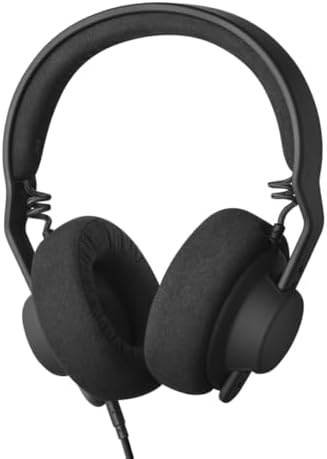
- Best Modular Build: AIAIAI TMA-2 Studio — Allows for easy parts replacement and customization of individual components.
- Best Semi-Open Design: AKG K240 Studio — Uses patented diaphragms for a wide dynamic range in mixing.
- Best Entry-Level Monitor: Audio-Technica ATH-M20x — Engineered for studio tracking with enhanced low-frequency performance.
- Best Planar Magnetic: ASUS ROG Kithara — Employs large 100mm drivers for audiophile-grade fidelity and detail.
- Best Compact Foldable: TASCAM TH-02 — Combines a closed-back design with a portable, folding frame.

- 45 millimeter drivers with rare earth magnets
- Extended frequency range with accurate bass
- Circumaural design for sound isolation

- 250-ohm studio impedance
- Open-back design for natural stereo image
- Soft replaceable velour ear pads

- 40 millimeter drivers with neodymium magnets
- Closed ear design reduces external noise
- 9.8 foot cord with 1/4 inch adapter
- Folds for storage with soft case

- Closed ear design with 32 dB attenuation
- 3.3 to 9.8 feet coiled cord
- Extended frequency response
- Around the ear design with padded earcups

- Accurate transparent audio
- Balanced sound with extended frequency response
- Optimized impedance for various devices
- Lightweight collapsible design with cushioned earcups
- Clear highly detailed audio
- Soft Alcantara cushions for comfort
- High-quality speaker unit reduces distortion
- Modular design for customization and upgrades

- Includes 3M cable and 1/4 inch adapter
- 30 mm drivers with Varimotion diaphragms
- Self-adjusting headband and over-ear pads
- Durable build for professional use

- Designed for studio tracking and mixing
- 40 mm drivers with rare earth magnets
- Tuned for enhanced low frequency performance
- Circumaural design for sound isolation

- 100mm HIFIMAN planar magnetic drivers
- Open-back architecture for natural soundstage
- On-cable MEMS boom microphone
- Includes 4.4mm, 3.5mm, 6.3mm and USB-C adapters

- Foldable design for compact transport
- Padded headband and ear pads
- Closed-back design with rich bass
- Includes 1/8 inch to 1/4 inch adapter
1. Audio-Technica ATH-M50X Professional Studio Monitor Headphones
Best for: Audio engineers needing consistent, reliable sound in any environment.
These headphones excel by combining 45mm large aperture drivers with a circumaural design that contours around your ears. The resulting sound isolation is effective for loud environments, which is exactly what you need when tracking in a busy studio. You’ll also appreciate the 90-degree swiveling earcups, as they allow for quick one-ear monitoring without taking the headset off entirely.
The detachable cable is a major plus for longevity, as it lets you replace the cord rather than the entire unit if it wears out. While the Sony MDR7506 has a fixed 9.8-foot cord, this model features a detachable cable.
Pros
- 45mm large aperture drivers.
- Excellent sound isolation.
- 90-degree swiveling earcups.
- Includes a detachable cable.
Cons
- Circumaural design may feel tight for users with larger heads.
2. beyerdynamic DT 990 Pro (250 Ohm)
Best for: Professionals performing detailed mixing and mastering tasks.
The open-back design of these headphones creates a wide, natural stereo image that helps you hear depth and placement. It’s a classic choice for studios, particularly because the velour ear pads remain comfortable during long sessions. Since these require 250 ohms of impedance, you must pair them with a dedicated amplifier or audio interface to reach their full volume potential.
Compared to the 40mm drivers in the Sony MDR7506, these offer a distinct, open-sound profile that avoids the “in-your-head” feeling of closed-back models. This unit isn’t meant for mobile use or casual listening on a phone, as the high impedance will result in very low volume without a dedicated power source.
Pros
- Open-back for natural stereo imaging.
- Soft, replaceable velour pads.
- Spring-steel headband for durability.
- Includes a 1/4-inch adapter.
Cons
- High 250-ohm impedance requires external amplification.
- Fixed 3m coiled cable can’t be swapped.
3. Sony MDR7506 Professional Large Diaphragm Headphone
Best for: Studio pros who need a reliable, foldable headset for travel.
These are a legendary fixture in recording studios for a reason: they’re built to last and fold up for easy storage. The 40mm drivers deliver a detailed, powerful sound that remains consistent across many different audio setups. Because the cord is a fixed 9.8 feet, you have plenty of room to move around the studio, though it can become a bit tangled compared to the detachable options found on the Shure SRH440A.
The closed-ear design does a great job of reducing external noise, making them suitable for tracking vocals or instruments. This model isn’t built for those who want a removable cable, as the wire is hard-wired into the frame.
Pros
- Rugged, foldable construction.
- Includes a soft carrying case.
- Effective closed-ear noise reduction.
- Long 9.8-foot cord.
Cons
- Cable is permanently attached and not replaceable.
4. Sennheiser HD 280 Pro Headphone
Best for: Tracking in loud rooms where silence is a priority.
If your primary goal is blocking out the world, these are the clear choice. They provide up to 32 dB of attenuation against outside noise, which is a significant advantage when you’re recording sensitive microphones. The ergonomic, lightweight design keeps them comfortable, and the fact that the earpads and headband padding are replaceable ensures they will last for years.
These offer a warm, natural sound reproduction that compares well against the 40mm drivers in the Audio-Technica ATH-M20x. Anyone who prefers a completely open soundstage for mixing will find this closed-back design too restrictive for their specific workflow.
Pros
- High 32 dB noise attenuation.
- Replaceable earpads and headband.
- Lightweight, ergonomic design.
- Coiled cable for flexibility.
Cons
- Closed-back design limits the natural soundstage.
5. Shure SRH440A Over-Ear Wired Studio Headphones
Best for: Critical listening and monitoring where accuracy matters most.
This model is built to provide a balanced and transparent audio signature. It’s an update to a classic design, featuring improved comfort and better durability for everyday studio use. The detachable locking cable is a standout feature, as it ensures a secure connection that won’t pull out during intense recording sessions.
Because of the optimized impedance, these work well with everything from mixers to laptops. They offer more versatile device compatibility than the 250-ohm beyerdynamic DT 990 Pro, which is strictly limited to powered interfaces. If you need a headset that sounds consistent across every device in your studio, this is a strong contender.
Pros
- Accurate, transparent sound signature.
- Detachable locking cable.
- Collapsible design for portability.
- Optimized for various devices.
Cons
- Over-ear design may feel warm during extended use.
6. AIAIAI TMA-2 Studio Wired Black Over-Ear Headphones
Best for: Creators who want to customize and maintain their gear.
The modular nature of these headphones is what sets them apart. You can replace, upgrade, or customize individual parts, which makes these a sustainable choice for your long-term studio needs. The Alcantara memory foam cushions are notably soft and provide a high level of comfort during long creative sessions.
These use a special diaphragm material designed to vibrate without the distortion often found in standard plastic units. The modular nature of the TMA-2 Studio allows for easy upgrades or replacements of individual parts. Anyone who prefers a simple, “all-in-one” product that never needs assembly might find the modular approach a bit complex.
Pros
- Fully modular design.
- Alcantara memory foam cushions.
- Distortion-reducing diaphragms.
- Environmentally conscious materials.
Cons
- Modular parts require assembly and maintenance.
7. AKG K240STUDIO Semi-Open Studio Headphones
Best for: Mixing and mastering tasks requiring a wide dynamic range.
These semi-open headphones are a go-to for many professionals who need a balance between isolation and a natural soundstage. The 30mm XXL transducers use patented Varimotion diaphragms to keep the bass solid while maintaining clear highs. Since they’re semi-open, they provide a more spacious feel than closed-back models like the Sennheiser HD 280 Pro.
The self-adjusting headband is a great touch, as it saves you from fiddling with manual clicks to get the perfect fit. This model isn’t the best choice for tracking in environments where sound leakage is a concern, as the semi-open design allows some audio to escape into the room.
Pros
- Wide dynamic range.
- Self-adjusting headband.
- Detachable 3m cable.
- Trusted by professionals globally.
Cons
- Semi-open design allows for sound leakage.
8. Audio-Technica ATH-M20x Professional Studio Monitor Headphones
Best for: Beginners starting their first home studio setup.
These are a straightforward, no-nonsense choice for tracking and mixing. They feature 40mm drivers that are specifically tuned to bring out the low frequencies, which is helpful when you’re monitoring rhythm sections. The single-side cable exit is a smart design choice, as it keeps the wire out of your way while you work.
They lack the swivel cups found on the Audio-Technica ATH-M50X, which limits their versatility for one-ear monitoring.
Pros
- Tuned for enhanced bass.
- Single-side cable exit.
- Circumaural isolation.
- Durable build quality.
Cons
- Cable is fixed and not replaceable.
9. ASUS ROG Kithara Gaming/Audiophile Open-Back Wired Headphones with Mic
Best for: Audiophiles who want the benefits of planar magnetic technology.
Planar magnetic drivers are known for their exceptionally low distortion and vivid detail across a wide frequency range. These headphones provide a spacious soundstage thanks to their open-back architecture, making them excellent for critical listening. They also include a boom microphone, which is a rare feature for studio-focused gear, allowing for clear communication during remote sessions.
Because of the 100mm drivers, these are significantly larger than the 40mm drivers in the Sony MDR7506. The open-back design allows sound to travel out of the earcups.
Pros
- 100mm planar magnetic drivers.
- Open-back architecture.
- Includes a boom microphone.
- Broad device compatibility.
Cons
- Open-back design leaks sound.
10. TASCAM TH-02 Professional Studio Monitor Headphones
Best for: Podcasters and musicians who need a portable, compact solution.
These headphones fold up into a very compact shape, making them ideal for creators who work on the go. The closed-back design keeps your sound contained, which is perfect for recording podcasts or guitar tracks in a home environment. They come with a snap-on adapter that lets you switch between 3.5mm and 6.3mm jacks easily.
Pros
- Foldable, compact design.
- Closed-back isolation.
- Includes 1/4-inch adapter.
- Padded headband for comfort.
Cons
- Not intended for critical mastering work.
Also Worth Considering
The OneOdio Wired Over-Ear Studio Headphones are a popular alternative for those who need a versatile headset for DJing and mixing.
The PHILIPS SHP6000 Over Ear Headphones provide a high-resolution audio experience for those who prefer an open-back sound. However, the beyerdynamic DT 990 Pro offers a more established “mixing reference” sound that most professional studios prefer for accurate translation.
The PHILIPS Ear Wired Stereo Headphones are designed for simple tasks like computer monitoring or practicing guitar. If you require professional-grade accuracy and durability, the Sony MDR7506 is the better choice for long-term use.
How to Choose the Right Studio Headphones
Open-Back vs. Closed-Back
Closed-back models designed for studio tracking are essential because they prevent sound from leaking into your microphone. Open-back designs are better for mixing, as they provide a more natural, spacious soundstage that helps you place instruments accurately within a track.
Impedance and Power
Impedance, measured in ohms, tells you how much power a headset needs. High-impedance models require a dedicated amplifier to sound their best. Low-impedance headphones like the Shure SRH440A are easier to drive, making them compatible with laptops, tablets, and portable mixers without needing extra hardware.
Comfort and Long-Term Use
Studio sessions often last for hours, so headband padding and cushion material matter. The AIAIAI TMA-2 Studio uses memory foam, while the Sony MDR7506 relies on a time-tested padded design. Always look for models with replaceable parts, as earpads will eventually wear out regardless of the build quality.
Related guides
Frequently Asked Questions
Do I need a headphone amplifier for studio headphones?
It depends on the impedance. Models like the beyerdynamic DT 990 Pro are designed with 250 ohms of impedance, meaning they require a dedicated amplifier to reach their full volume and sonic potential. Lower-impedance models like the Audio-Technica ATH-M50X can be driven easily by standard audio interfaces or computers.
What is the advantage of a detachable cable?
A detachable cable increases the lifespan of your headphones. If the wire breaks, you can simply replace the cable instead of the entire headset. The Shure SRH440A and AKG K240 Studio both feature this, which is a significant advantage over fixed-cable models like the Sony MDR7506 during long-term use.
Why do some headphones fold?
Folding designs like the TASCAM TH-02 are built for portability. They’re ideal for podcasters or mobile musicians who need to pack their gear into a bag for travel. If you never leave your home studio, a folding mechanism is less important than the overall comfort and sound quality of the unit.
Are studio headphones better for gaming?
Many studio headphones are used for gaming because of their clear, detailed sound. The ASUS ROG Kithara, for example, includes a boom microphone specifically for this purpose. Their accurate sound reproduction helps gamers hear footsteps and subtle audio cues more clearly than standard consumer headsets, provided you have the right connection.
How do I clean my ear pads?
Most professional headphones feature replaceable pads. Manufacturers often recommend gentle hand washing with mild soap and water for velour pads.
Can I use studio headphones for listening to music?
Yes, you can use any of these models for listening to music, though the sound profile will be different from consumer headphones. Studio models like the Shure SRH440A are designed to be “flat” and transparent, meaning they don’t artificially boost bass or treble. This allows you to hear the music exactly as the artist and producer intended it to sound during the recording process.
What does “frequency response” mean for my mixes?
Frequency response refers to the range of sounds a headset can reproduce, typically from low bass to high treble. A wider frequency response, like the 10 Hertz to 20 kilohertz range mentioned for the Sony MDR7506, helps you monitor the full spectrum of your mix. This ensures that you don’t miss muddy bass or harsh high-end frequencies that might be hidden on smaller, less capable speakers.
Is a 1/4-inch adapter always included?
Most professional studio headphones include an adapter because studio equipment often uses a larger 1/4-inch (6.3 millimeter) jack, while laptops and phones use a 3.5 millimeter jack. The AKG K240 Studio and TASCAM TH-02 both include these adapters in the box. Always verify the connector type if you plan to plug your headphones directly into a specific portable device or a high-end interface.
How do I store my headphones to prevent damage?
Proper storage is the best way to extend the life of your gear. Models that fold can be kept in a protective case to prevent damage, while non-folding models should be kept on a dedicated stand away from direct sunlight and dust to maintain material integrity.
Does the headband material affect sound isolation?
The headband itself doesn’t block sound, but the clamping force it provides determines how well the ear cups seal against your head. A tighter clamp, often found on closed-back models, improves isolation by creating a stronger seal. If you find the clamping force too strong, some models with adjustable bands, like the ASUS ROG Kithara, allow you to relieve the pressure while still maintaining a secure, comfortable fit for long sessions.
Why do some headphones use “rare earth magnets”?
Rare earth magnets, used in the Audio-Technica ATH-M50X and Audio-Technica ATH-M20x, provide a stronger magnetic field in a smaller package. This allows for more efficient driver movement, which leads to better clarity and a faster response to changes in the audio signal. These magnets are a standard feature in high-quality professional gear because they enable the crisp, detailed sound reproduction required for accurate monitoring and critical mixing tasks.
Is it safe to wear studio headphones for 8 hours a day?
Wearing headphones for long periods is safe as long as you maintain a moderate volume level. Occupational Safety and Health Administration guidelines suggest that limiting exposure to high decibel levels is key to preventing hearing loss. Because professional-grade studio headphones provide better isolation, you can often hear your mix clearly at lower volumes, which is a safer way to work through long mixing or recording sessions.
Do I need to replace the ear pads periodically?

Yes, ear pads can degrade due to sweat, oils, and physical wear. Many professional headphones are designed with replaceable pads to address this, allowing you to restore the original comfort and sound-isolating properties of the headset.
Can I use a boom microphone for professional recording?
A boom microphone, like the one found on the ASUS ROG Kithara, is excellent for voice communication and podcasting. However, for professional vocal tracking, most engineers prefer a dedicated, high-quality studio microphone mounted on a stand. The boom mic on these headphones is tuned for convenience and clarity, making it a great tool for collaboration and remote meetings, but it isn’t intended to replace a dedicated large-diaphragm condenser microphone for music production.
Conclusion
Choosing the right gear doesn’t have to be overwhelming once you trust your ears. Take your favorite track to a local music shop and try a few pairs on for size. You’ll quickly find that perfect fit, and you won’t look back once you hear the difference in your final mix.
As an Amazon Associate, Cleanestor earns from qualifying purchases at no additional cost to you.