
The Vandoren Optimum AL3 is the top choice for players seeking consistent, professional-grade performance because of its precise tip opening and reputation for exceptional sound roundness. Finding the best alto saxophone mouthpieces involves balancing your current skill level against the specific tone you want to achieve. While some designs prioritize ease of play for students, others offer the nuance required by advanced performers. The main difference between these options is the material and internal chamber design, which dictate how much control you have over your sound.
- Best Overall Performance: Vandoren Optimum AL3 — Offers a professional, round sound for classical players.
- Best for Beginners: Yamaha 4C Mouthpiece — Designed for consistent, easy sound production for new players.
- Most Versatile Sound: Theo Wanne Water — Features an advanced, versatile design for many musical styles.
- Best for Tone Flexibility: Yamaha 5C Mouthpiece — Provides a larger tip opening for increased tonal response.
- Best Metal Jazz Mouthpiece: ROWELL Metal Mouthpiece — Includes an adjustable ligature for precise reed vibration control.
- Best Bright Tone: EASTROCK Alto Mouthpiece — Engineered to produce a bright, even sound for various settings.

- Classical round mouthpiece
- Tip Opening 152 (1/100mm)
- Medium Long facing
- Compatible with Vandoren #2.5-#4 reeds
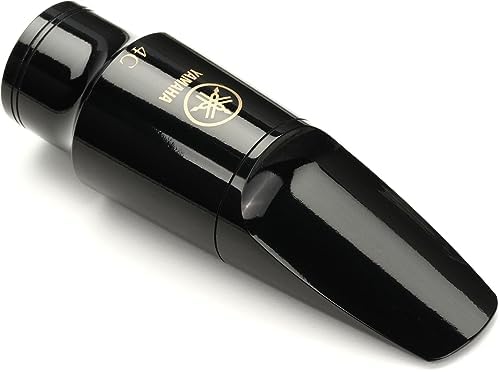
- Official Yamaha 4C alto mouthpiece
- Designed for beginner sound production
- Durable phenol resin plastic construction

- Theo Wanne WATER alto mouthpiece
- All-around classical sound
- Vintage-style hard rubber construction

- Authentic Yamaha standard-series mouthpiece
- 5C size for richer tone
- Durable phenol resin plastic construction

- Metal construction for jazz styles
- 5-level adjustable ligature system
- Streamlined airflow design
- Includes reed protection cap

- Compatible with standard alto saxophones
- Professional internal design for bright tone
- Includes ABS mouthpiece, cap, and ligature
1. Vandoren SM711 AL3 Optimum Series Alto Saxophone Mouthpiece
Best for: Serious classical saxophonists needing a consistent, round tone.
This mouthpiece is built for those who want a predictable, high-quality classical sound. The design focuses on a specific tip opening of 152, which helps keep the intonation stable across the entire range of the instrument. It’s widely considered a standard for players who need to perform in formal settings where tone quality is the most important factor.
You’ll find that this model performs best when paired with reeds in the 2.5 to 4 range. Because of its medium-long facing, it offers a balanced resistance that allows for smooth transitions between notes. Compared to the Yamaha 4C, which uses phenol resin, this model is crafted to satisfy the needs of someone who has already moved past the early learning stage.
Anyone who prefers a very open, jazz-focused sound might find the 152 tip opening too restrictive for their style.
Pros
- Designed for a round, professional tone
- Consistent tip opening of 152
- Medium-long facing for balanced resistance
- Optimized for a variety of reed strengths
Cons
- The 152 tip opening limits the sound for players wanting a wider jazz projection.
2. Yamaha 4C Alto Saxophone Mouthpiece
Best for: New students who need a reliable, easy-playing mouthpiece.
Yamaha designed this model specifically to help beginners produce a good sound without much struggle. It’s the same piece often included with new saxophones, meaning it’s built to work with almost any brand of standard alto. Its construction from phenol resin makes it durable enough to handle the daily use of a student.
Because it’s engineered for consistency, you get the same performance every time you play. This is helpful when you’re still learning the basics of embouchure and breath support. If you compare it to the ROWELL Metal Mouthpiece, the 4C is much more forgiving for a player who hasn’t yet developed the control required for metal designs.
This model isn’t meant for professional jazz musicians looking for a unique, edgy, or highly specialized tone.
Pros
- Engineered for easy sound production
- Durable phenol resin material
- Fits all standard alto saxophones
- Consistent manufacturing quality
Cons
- The standard design lacks the tonal variety found in professional-grade models.
3. Theo Wanne Water Alto Saxophone Mouthpiece
Best for: Players seeking a versatile, high-quality sound across many styles.
The Water model represents an advanced approach to mouthpiece design. It uses a special Black A.R.T material that aims to combine the benefits of vintage-style hard rubber with modern machining precision. It’s marketed as a versatile option that works well for both classical performance and more expressive, traditional styles.
Its small-chamber and throat design allows for a full, body-rich sound. When you look at the 152 tip opening on the Vandoren Optimum AL3, you can see that the Water is aimed at a different, perhaps more flexible, playing experience. It’s a solid pick for those who want one mouthpiece that can handle different types of music without needing a change.
Pros
- Features an advanced, small-chamber design
- Constructed from high-quality Black A.R.T material
- Versatile enough for many musical styles
- Designed for a full, expressive tone
Cons
- The advanced design requires a higher level of player control than a basic student model.
4. Yamaha 5C Alto Saxophone Mouthpiece
Best for: Players who want more tonal flexibility than a standard 4C.
The 5C is the next step up from the 4C in the Yamaha standard series. It features a slightly larger tip opening, which gives you more room to shape your tone and respond to subtle changes in your airflow. Like its sibling, it’s made from durable phenol resin and fits any standard alto saxophone.
This extra bit of flexibility makes it a favorite for students moving into intermediate playing. It allows for a richer tone that’s still easy to manage. Compared to the EASTROCK Alto Mouthpiece, the 5C offers a more established, classic response that many teachers prefer for developing players.
Anyone who is still in the very first months of learning may find the larger tip opening harder to control than the smaller 4C.
Pros
- Larger tip opening for better response
- Durable phenol resin construction
- Consistent manufacturing quality
- Fits all standard alto saxophones
Cons
- The larger tip opening makes it slightly more demanding for a total beginner.
5. ROWELL Alto Saxophone Metal Mouthpiece Jazz Sax Mouthpiece- 5-Level Adjustable
Best for: Jazz players who want to adjust their reed response.
This metal mouthpiece is built for jazz, bebop, and cool jazz performances. The standout feature is the 5-level adjustable ligature, which lets you change how the reed vibrates. This allows you to tune the mouthpiece to your specific playing habits and reed stiffness.
The metal construction is designed to provide a rich, full, and clear tone that cuts through a mix. It also includes a protective cap to keep the mouthpiece safe when you aren’t playing. When you contrast its metal build against the phenol resin of the Yamaha 5C, you see a clear shift toward a more aggressive, jazz-oriented sound profile.
Long performances might be difficult for someone not used to the weight or the specific airflow requirements of a metal mouthpiece.
Pros
- 5-level adjustable ligature for reed tuning
- Metal construction for a clear, rich tone
- Designed specifically for jazz styles
- Includes a protective cap and box
Cons
- The metal build is heavier and less forgiving than resin models for some players.
6. EASTROCK Alto Saxophone Mouthpiece Kit includes Leather Ligature
Best for: Players who want a bright sound in a complete kit.
This kit includes an ABS mouthpiece, a plastic cap, and an adjustable leather ligature. It’s marketed as a bright-sounding option that’s easy to control. It’s a good choice for students or musicians who want a complete package without needing to buy extra parts separately.
The internal design is focused on producing an even tone that works for stage performances or personal practice. If you compare it to the Vandoren Optimum AL3, the EASTROCK is clearly meant for a more general audience looking for a bright, accessible sound rather than a specific classical profile.
Anyone who prefers a dark, mellow, or vintage-style tone will find this model’s bright sound profile to be the wrong fit.
Pros
- Bright, even sound profile
- Includes a leather ligature and cap
- Lightweight and portable design
- Universally compatible with standard altos
Cons
- The bright tone profile isn’t suitable for players looking for a dark, mellow sound.
Also Worth Considering
The Yoklili Mouthpiece Kit Value Pack is a large set of accessories for those who need multiple items at once. The Yoklili kit includes multiple accessories, whereas the Vandoren Optimum AL3 is sold as a single mouthpiece.
The Yoklili Alto Sax Mouthpiece Kit provides a gold-colored finish that stands out aesthetically. The Yamaha 4C is designed specifically for beginners to produce a consistent sound. It remains a choice for those who prioritize the visual look of their equipment.
The GLORY Alto Saxophone Mouthpiece Kit includes a basic ligature and reed to get a player started. The Yamaha 5C is designed with a larger tip opening for increased tonal flexibility. It serves as a simple, entry-level solution for someone who just needs a basic setup to begin playing.
How to Choose the Best Alto Saxophone Mouthpieces
Tip Opening and Control
The tip opening determines how much air is required to produce a sound. A smaller opening, like those on the Yamaha 4C, is easier for beginners to control. Larger openings, such as those found on the Yamaha 5C or the Vandoren Optimum AL3, offer more tonal flexibility but require more breath support and embouchure strength to manage consistently.
Material and Sound Profile
Mouthpieces are typically made from phenol resin, hard rubber, or metal. Phenol resin, used by Yamaha, is durable and consistent for students. Metal mouthpieces, like the ROWELL, provide a bright, projecting tone ideal for jazz. Hard rubber or specialty materials like those in the Theo Wanne Water aim for a more complex, expressive sound suitable for classical or traditional styles.
What Comes in the Box
Some mouthpieces are sold as bare units, while others come as complete kits with ligatures and caps. Kits like the EASTROCK or Yoklili sets are designed for convenience, ensuring you have everything needed to attach a reed. If you choose a professional model like the Vandoren, you may need to purchase a separate ligature if one isn’t listed as included.
Frequently Asked Questions
Is a metal mouthpiece better for jazz?
Metal mouthpieces often produce a brighter, more projecting sound that’s popular in jazz, but they aren’t strictly better. The ROWELL model is specifically built for jazz, yet many professional jazz players also use hard rubber or resin mouthpieces. Your choice should depend on the tone you want to hear, not just the material.
How do I know which reed strength to use?
Reed strength should be matched to the mouthpiece’s tip opening. The Vandoren Optimum AL3 recommends a range of 2.5 to 4. Generally, a more open mouthpiece works better with a softer reed, while a closed mouthpiece may require a harder reed. Always check the manufacturer’s specific recommendations for your model.
Can I use any mouthpiece with my saxophone?
Most modern alto saxophones are designed to be compatible with a wide range of standard mouthpieces. The Yamaha 4C and EASTROCK models are explicitly designed to fit any standard alto. If you have a vintage or non-standard instrument, check the manufacturer’s specifications to ensure a proper fit.
How should I clean my mouthpiece?
You should clean your mouthpiece regularly to maintain hygiene and prevent buildup. Avoid using hot water, which exceeds the temperature limits for resin or plastic mouthpieces.
Why does my sound feel stuffy?
A stuffy sound usually results from an incorrect reed strength or an overly tight embouchure. If you use a closed mouthpiece like the Yamaha 4C, try a softer reed to improve airflow. Always ensure your reed is positioned correctly on the table and the ligature is tightened evenly.
Does the ligature affect the sound?
The ligature holds the reed to the mouthpiece, and its design can influence how much the reed is allowed to vibrate. The ROWELL Metal Mouthpiece includes a 5-level adjustable ligature specifically to change this vibration feedback. While a basic ligature secures the reed, an adjustable one allows you to customize the response to match your personal playing habits.
Can I upgrade my mouthpiece later?
Yes, most saxophonists upgrade their mouthpieces as their skills evolve. A beginner might start with a Yamaha 4C for stability and later move to a Yamaha 5C for more flexibility. This progression allows you to adapt your equipment to the specific tone and performance requirements of the music you’re currently practicing or performing.
What is the advantage of a small chamber?
A small chamber, like the one found on the Theo Wanne Water, typically increases the air speed through the mouthpiece. This design often results in a brighter, more focused tone with greater projection. It’s a common feature in mouthpieces designed for versatility and expressive playing, as it allows for quicker response times during rapid passages.
Why do some mouthpieces have a cap?
A cap is used to protect the delicate tip of the mouthpiece and the reed when the instrument isn’t in use. Models like the EASTROCK and ROWELL include a cap to prevent accidental bumps or scratches that could ruin the mouthpiece’s performance. Always place the cap over the mouthpiece after you finish practicing to ensure long-term durability.
Does the material change the sound?
Material does influence the sound, though it isn’t the only factor. Metal mouthpieces like the ROWELL are known for a bright, cutting sound, while phenol resin models like the Yamaha 4C provide a consistent, neutral tone. Hard rubber or specialty materials like the Theo Wanne Black A.R.T aim for a complex, warm sound that’s often preferred by advanced players.
How do I know if the mouthpiece fits my neck cork?
If the mouthpiece is too tight or too loose on the neck cork, it will affect your ability to tune the instrument. Most modern mouthpieces are designed to fit standard alto saxophone necks, but the thickness of the cork can vary. If it’s too tight, you can apply a small amount of cork grease, but if it’s loose, the cork may need professional replacement.
Are higher-end mouthpieces always better?
The best mouthpiece is the one that matches your current skill level and the musical style you’re performing. A professional mouthpiece like the Vandoren Optimum AL3 is designed for specific classical requirements, whereas the Yamaha 4C is built for the specific needs of a student.
What causes a squeak when I play?
Squeaking is often caused by an incorrect embouchure or a reed that’s damaged or poorly positioned. If you’re using a new mouthpiece like the EASTROCK, ensure the reed is perfectly aligned with the tip rail. If the reed is chipped or warped, it will cause inconsistent vibrations that result in unwanted squeaks during your practice sessions.
How do I store my mouthpiece safely?
Store your mouthpiece in a cool, dry place when not in use, and always use the protective cap. Avoid leaving it in direct sunlight or in a hot car, as extreme temperatures can damage the material of both resin and hard rubber mouthpieces. Keeping it in a dedicated case or pouch helps maintain its performance and appearance.
Why is the tip opening measured in 1/100mm?
This measurement provides a precise, objective way to compare the physical opening of different mouthpieces. The Vandoren Optimum AL3 uses this system to ensure every unit meets the same standard, helping players understand the space between the reed and the tip, which impacts breath effort.
Can I share a mouthpiece with other players?
It’s generally recommended that each player uses their own mouthpiece for hygiene reasons. If you must share, ensure the mouthpiece is thoroughly cleaned and sanitized between uses. Using your own equipment also ensures that you remain comfortable with the specific response and tone profile you’re accustomed to during your performances.
Is it normal for the mouthpiece to discolor?
Mouthpieces made of hard rubber can discolor or turn a brownish hue due to exposure to light and air. This is a cosmetic change and doesn’t usually affect the performance of the mouthpiece. However, keeping the mouthpiece clean and stored in a case will minimize this effect and keep it looking professional for longer.
What is a “facing” in mouthpiece design?
The facing is the curved surface of the mouthpiece where the reed lies. The length and shape of this curve determine how the reed vibrates against the mouthpiece. A medium-long facing, like that on the Vandoren Optimum AL3, provides a balanced resistance that many classical players find ideal for achieving a smooth, controlled sound across the entire register.
How does the ligature fit the reed?

A ligature secures the reed to the mouthpiece at the table. Some ligatures use screws to tighten the grip, while others, like the leather version included with the EASTROCK, use a strap mechanism. The goal is to hold the reed firmly in place without restricting its natural vibration, which is necessary to produce a clear, consistent tone.
Are all mouthpieces compatible with all reeds?
While most alto saxophone reeds are standard, the strength of the reed you choose should be compatible with the mouthpiece’s tip opening. A mouthpiece with a smaller opening may feel easier with a harder reed, while a more open mouthpiece may require a softer reed. Always test different reed strengths to find the combination that feels most comfortable for your playing style.
Final Thoughts
Choosing the right piece is a personal journey, so don’t be afraid to experiment with different reeds to find your perfect match. Head to a local music shop this weekend to test a few options in person. You’ll quickly hear how a small change makes a big difference in your sound.
As an Amazon Associate, Instrument Insight earns from qualifying purchases at no additional cost to you.