
The Vandoren Optimum AL3 is the top choice for those who need the best saxophone mouthpieces for classical performance, thanks to its specific focus on tonal roundness and precise tip measurements. This guide helps players of all levels find the right fit for their instrument, whether they’re starting out or seeking more flexibility in their sound. The real difference between these picks lies in the materials used, the size of the tip opening, and the intended playing style for each model.
- Best Classical Performance: Vandoren Optimum AL3 — Offers exceptional roundness for a refined, professional classical tone.
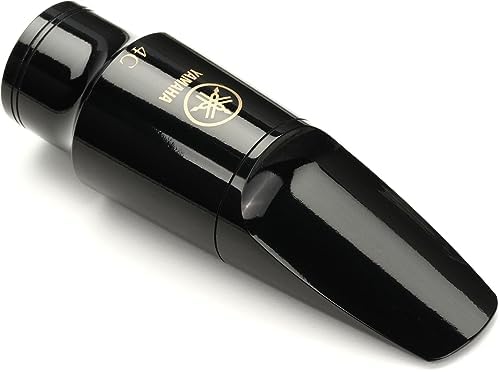
- Best for Beginners: Yamaha 4C Alto — Designed specifically for ease of play and a consistent, terrific sound.
- Best for Tone Flexibility: Yamaha 5C Alto — Features a slightly larger tip opening for improved response and range.
- Best for Jazz: ROWELL Metal Tenor — Uses a metal design to enhance high-frequency overtones for expressive playing.
- Best for Baritone: D’Addario Rico Graftonite B5 — Provides high brilliance and projection for the lower register.
- Best Tenor Starter: Yamaha 4C Tenor — Delivers reliable, consistent performance for those learning the tenor saxophone.
- Best Tenor Flexibility: Yamaha 5C Tenor — Allows for a richer tone with enhanced flexibility in the tenor range.
- Best Bright Tone: EASTROCK Alto Mouthpiece — Engineered with a professional internal design for a bright, even sound.

- Tip opening 152 (1/100mm)
- Medium long facing
- Compatible with Vandoren #2.5-#4 reeds


- B5 baritone saxophone mouthpiece
- Medium B chamber
- Tip opening .100"
- Facing length 25mm


- Compatible with standard alto saxophones
- Includes ABS mouthpiece, cap, and ligature
1. Vandoren SM711 AL3 Optimum Series Alto Saxophone Mouthpiece
Best for: Classical alto saxophonists requiring a refined, round tone.
This mouthpiece is built for players who prioritize a controlled, classical sound. It features a specific tip opening of 152 (1/100mm) and a medium long facing, which is designed to provide consistency during demanding performances. The manufacturer emphasizes its roundness, which helps in achieving the focused projection often needed in concert settings.
Because it works best with reeds ranging from #2.5 to #4, it offers enough resistance for advanced players to shape their dynamics. Compared to the Yamaha 4C Alto, which uses a more forgiving phenol resin construction for beginners, this model is built for the nuance required in formal music. It’s a specialized tool that assumes the player has already developed a stable embouchure.
Anyone who prefers a bright, cutting jazz sound should look elsewhere, as this model is specifically engineered for classical roundness.
Pros
- Exceptional roundness for classical playing
- Precise tip opening of 152 (1/100mm)
- Compatible with a wide range of reed strengths
Cons
- Tip opening is fixed, so players wanting a different resistance must look at other models
- Requires specific reed strengths of #2.5-#4 to perform as intended
2. Yamaha 4C Alto Saxophone Mouthpiece
Best for: Beginners seeking a reliable and consistent starting point.
The Yamaha 4C Alto is designed to make the process of producing a sound easier for those just starting their musical journey. It’s manufactured from phenol resin plastic, which is chosen for its durability and safety. Because it’s the same mouthpiece included with many new Yamaha saxophones, it provides a standard of quality that many students are already familiar with.
This model is designed to fit any brand of standard alto saxophone, making it a versatile choice for students using rental or school-owned instruments. When compared to the Yamaha 5C Alto, which offers a slightly larger tip for flexibility, this 4C version is strictly focused on creating a stable, predictable tone. It’s a straightforward piece of equipment that removes the variables often found in more complex mouthpieces.
Players who have moved past the early learning stages and need more control over their tonal colors may find this model too limiting for their evolving skills.
Pros
- Official original-equipment design for consistency
- Durable phenol resin plastic construction
- Universal fit for standard alto saxophones
Cons
- Designed for beginners, which limits tonal expression for advanced players
- Fixed tip opening prevents adjustment for different musical styles
3. Yamaha 5C Alto Saxophone Mouthpiece
Best for: Intermediate players who want more tonal flexibility and response.
The Yamaha 5C Alto builds on the standard series by offering a slightly larger tip opening than the 4C model. This adjustment is intended to provide a richer tone, allowing the player to explore a wider range of dynamics and response. It maintains the same durable phenol resin construction that makes the Yamaha line popular for its consistency.
This mouthpiece is well-suited for players who have mastered the basics and are ready to experiment with their sound. Compared to the EASTROCK Alto Mouthpiece, which is noted for its bright and even tone, this Yamaha model focuses more on the balance of response and flexibility. It remains a reliable choice that fits any standard alto saxophone, ensuring that the transition from a beginner piece is seamless.
Anyone needing a very specific, bright jazz sound might find this model too neutral, as its strength lies in its balanced, standard response.
Pros
- Larger tip opening for a richer, more flexible sound
- Consistent manufacturing quality
- Compatible with all standard alto saxophones
Cons
- Requires more control from the player than the 4C model
- Lacks the specific bright tonal characteristics of jazz-focused mouthpieces
4. ROWELL Tenor Saxophone Metal Mouthpiece Jazz Sax Mouthpiece- 5-Level Adjustable
Best for: Jazz and rock saxophonists seeking a bright, expressive tone.
This metal mouthpiece is designed to enhance high-frequency overtones, making it a strong candidate for traditional jazz, rock, and pop styles. Its unique feature is the 5-level adjustable ligature system, which allows the player to tune the reed’s vibration feedback. This level of customization is rare in standard models and helps the player match the mouthpiece to their personal playing habits.
The metal construction is intended to provide a faster response, which is helpful during rapid phrase changes. Compared to the Yamaha 4C Tenor, which uses a resin construction for a standard sound, this metal piece is built for projection and clarity. It also includes a dedicated cap and a double-screw holder for protecting the mouthpiece.
Players who prefer a dark, mellow, or classical sound will likely find this model too bright, as it’s engineered specifically to cut through a mix.
Pros
- Metal construction for faster response and clear tone
- 5-level adjustable ligature for custom reed feedback
- Streamlined airflow design to reduce turbulence
Cons
- Metal can be heavier and harder to manage than resin for some beginners
- Tone is bright, which rules out those needing a dark, classical sound
5. D’Addario Rico Graftonite B5
Best for: Baritone saxophonists needing brilliance and projection.
The D’Addario Rico Graftonite B5 is a specialized tool for the baritone saxophone, designed with a medium B chamber to maximize projection. It features a.100″ tip opening and a 25mm facing length, which are standard measurements intended to assist with ease of tone production. The polycarbonate material is durable and resistant to chipping or cracking, which is essential for the larger baritone instrument.
This model is pitched at A=440, ensuring it aligns with standard tuning requirements. When compared to the Yamaha 5C Tenor, which is built for the smaller tenor saxophone, this B5 is clearly intended for the specific needs of the baritone register. It offers a wide range of tonal colors, making it a versatile choice for baritone players who need to cover different musical styles.
Anyone playing an alto or tenor saxophone will find this model incompatible, as it’s strictly sized for the baritone instrument.
Pros
- Medium B chamber for excellent projection
- Durable polycarbonate material that resists damage
- Standard.100″ tip opening for ease of use
Cons
- Specific to baritone, so it can’t be used on alto or tenor saxes
- Limited to one chamber design, reducing customization options
6. Yamaha 4C Tenor Saxophone Mouthpiece
Best for: Tenor saxophone students who need a reliable, consistent starter mouthpiece.
The Yamaha 4C Tenor is the standard-issue piece for many tenor players, designed to help beginners produce a quality sound from the very first note. Like its alto counterpart, it’s made from durable phenol resin plastic, which is both safe and consistent. The manufacturing process ensures that each unit performs reliably, which is a significant advantage for those learning to navigate the tenor range.
This mouthpiece fits any brand of standard tenor saxophone, providing a hassle-free experience for students. Compared to the ROWELL Metal Tenor, which is built for advanced expression and jazz, this model is focused on stability and ease of play.
Players who require more volume or a brighter, edgier tone for performance will find this model too conservative for their needs.
Pros
- Consistent, high-quality manufacturing
- Durable phenol resin material
- Perfect for learning the tenor saxophone
Cons
- Very standard sound that may not satisfy jazz or rock players
- Fixed tip opening limits the ability to change tonal dynamics
7. Yamaha 5C Tenor Saxophone Mouthpiece
Best for: Intermediate tenor players looking for better response and richer tones.
The 5C Tenor is designed for players who have outgrown their starter mouthpiece and need more room for growth. With a slightly larger tip opening than the 4C, it allows for a richer tone and better flexibility. This model maintains the same consistent phenol resin construction, ensuring the player gets the same reliable quality they expect from the Yamaha standard series.
This mouthpiece is a logical step up for someone who wants to improve their response during practice. When compared to the Yamaha 4C Tenor, this version offers more freedom for the player to shape their sound, though it requires a bit more embouchure control. It’s an excellent choice for a student who is beginning to perform in school ensembles and needs more projection.
Anyone looking for a specialized, high-projection metal mouthpiece for lead jazz playing will find this resin model too neutral.
Pros
- Larger tip opening increases tonal flexibility
- Consistent, high-quality phenol resin construction
- Easy response for intermediate players
Cons
- Requires more control than the 4C for a clear sound
- Not designed for the extreme projection needed in loud jazz settings
8. EASTROCK Alto Saxophone Mouthpiece Kit includes Leather Ligature
Best for: Players seeking a bright, clear tone for stage performance.
The EASTROCK Alto Mouthpiece is crafted with a professional internal design that emphasizes a bright and even sound. Its lightweight construction makes it easy to carry, and it’s universally compatible with standard-sized alto saxophones. This kit includes a leather ligature and a plastic cap, providing a complete package for someone who needs to replace their current setup immediately.
The focus here is on ease of control, which helps players maintain a consistent sound during stage performances or personal practice. Compared to the Vandoren Optimum AL3, which is engineered for a round, classical sound, the EASTROCK is built to provide a brighter, more vibrant tone. It’s a versatile choice that caters to both beginners and those who need a reliable backup for concerts.
Players who specifically need a dark, mellow, or classical tone will find this model’s bright character unsuitable for their performance requirements.
Pros
- Bright, even tone that’s easy to control
- Complete kit includes leather ligature and cap
- Lightweight and portable design
Cons
- Bright tone isn’t ideal for classical or dark jazz styles
- Leather ligature may require more care than metal alternatives
Also Worth Considering
The Libretto Tenor Saxophone Mouthpiece Kit is a standard 5C ABS model that includes a gold lacquered ligature and a cap. It’s designed for beginners and intermediates who want a complete, giftable set. The Yamaha 5C Tenor is the more established pick for those prioritizing long-term tonal consistency and brand-proven manufacturing.
The Jiayouy Tenor Sax Saxophone Mouthpiece is a basic tenor option that comes with a golden-plated ligature and a plastic cap. It’s meant for players looking for a simple replacement or a backup piece. The Yamaha 4C Tenor remains the superior choice for students who need a verified, consistent performance standard from a known manufacturer.
How to Choose the Best Saxophone Mouthpieces
Material and Sound Characteristics
The material of the mouthpiece significantly influences the tone. Phenol resin or polycarbonate, found in the Yamaha and D’Addario lines, generally provides a warmer, more consistent sound that’s ideal for learning. Metal mouthpieces, like the ROWELL Metal Tenor, are typically used for jazz and rock because they produce a brighter, more projected sound with faster response.
Tip Opening and Response
The tip opening determines how much effort is required to produce a sound. A smaller opening, like those on the Yamaha 4C models, is easier for beginners to control. A larger opening, such as the Yamaha 5C or D’Addario B5, allows for more tonal flexibility and dynamic range but requires a more developed embouchure to maintain pitch and control.
What Comes in the Box
Some mouthpieces are sold as bare units, while others come as a kit. Products like the EASTROCK Alto Mouthpiece and ROWELL Metal Tenor include ligatures and caps, which are essential for securing the reed and protecting the mouthpiece. Always verify if your chosen pick includes these parts, as they’re necessary for proper saxophone maintenance.
Frequently Asked Questions
Is a metal mouthpiece better for beginners?
Metal mouthpieces are generally not recommended for beginners. They’re often more difficult to control and require a high level of embouchure stability to prevent squeaking. Most students find the resin or plastic models, such as the Yamaha 4C, much easier to manage while they’re learning the basics.
Can I use an alto mouthpiece on a tenor saxophone?
No, you can’t use an alto mouthpiece on a tenor saxophone. Mouthpieces are specifically sized for the bore of the instrument they’re designed for. An alto mouthpiece won’t fit the neck of a tenor, and even if it could be forced, the pitch and intonation would be completely incorrect.
How often should I replace my mouthpiece?
You don’t need to replace a mouthpiece unless it’s damaged, such as having chips on the tip or cracks in the body. If you take care of your gear by using a cap and keeping it clean, a high-quality resin or metal mouthpiece can last for many years of regular playing.
Does a larger tip opening make playing easier?

A larger tip opening doesn’t make playing easier; in fact, it usually makes it more difficult. It requires more air and stronger lip pressure to produce a steady sound. Beginners usually find success with smaller openings, while advanced players move to larger ones to gain more control over their expression.
Do I need to buy a separate ligature?
It depends on the product. Some, like the EASTROCK Alto Mouthpiece, include a leather ligature in the kit. Others may require you to purchase a separate one. Always check the “What’s Included” section of the listing to see if you have all the parts needed to attach your reed.
Final Thoughts
The Yamaha 4C Alto remains the best choice for most beginners due to its consistent performance and ease of use. For those who need more flexibility as they advance, the Yamaha 5C series provides a reliable next step. Consider your current skill level and intended musical style before making your final selection.
As an Amazon Associate, Instrument Insight earns from qualifying purchases at no additional cost to you.