
Yamaha acoustic guitars range in price from $150 to $2,000, depending on the model and features. Yamaha produces a wide variety of acoustic guitars suitable for players of all skill levels, from beginners to professionals.
Renowned for their high-quality craftsmanship, innovative designs, and exceptional sound, Yamaha guitars have gained a strong reputation in the music industry. Whether you’re looking for a budget-friendly option or a top-of-the-line instrument, Yamaha offers a range of acoustic guitars to suit your needs.
From their entry-level FG series to the premium A-Series, Yamaha guitars provide players with excellent tone, playability, and durability. So, whether you’re a beginner or an experienced guitarist, there is a Yamaha acoustic guitar available for you.
Recommended Guitar Buying Guides:
- 7 Best Acoustic Guitars for Every Skill Level and Budget
- 9 Best Beginner Guitar Picks for Your Musical Journey
- 10 Best Acoustic Guitar Strings: Our Expert Picks
- 10 Best Beginner Electric Guitar Models for New Players
- 6 Best Beginner Bass Guitar Picks for Your First Instrument
- 10 Best Classical Guitar Strings for Every Playing Style
Factors That Influence Yamaha Acoustic Guitar Prices
When it comes to purchasing a Yamaha acoustic guitar, there are several factors that can impact the price range. Understanding these factors can help you make an informed decision and find the best guitar that fits your budget. In this blog post, we will discuss the key influences on Yamaha acoustic guitar prices, including brand reputation, quality of materials, guitar model and features, and availability and demand.
Brand Reputation
Yamaha is a well-established brand in the music industry, known for producing high-quality instruments. The brand reputation indeed plays a significant role in determining the price of a Yamaha acoustic guitar. Yamaha’s commitment to craftsmanship and innovation sets them apart from their competitors, resulting in guitars that are highly sought after. The brand’s long-standing history and positive reviews contribute to the premium price tag associated with Yamaha acoustic guitars.
Quality of Materials
The quality of materials used in the construction of a Yamaha acoustic guitar is another crucial factor that influences its price. Yamaha guitars are crafted with attention to detail and feature top-notch materials, ranging from solid spruce or cedar tops to mahogany or rosewood bodies. These high-quality materials not only enhance the sound and tone of the guitar but also contribute to its durability and longevity. Consequently, as Yamaha acoustic guitars incorporate superior materials, the prices tend to reflect the investment in craftsmanship and quality.
Guitar Model and Features
Yamaha offers a wide range of acoustic guitar models, each with its unique features and specifications. The model and accompanying features directly impact the price of the guitar. For example, entry-level models designed for beginners may have a more affordable price point, while professional-grade guitars equipped with advanced electronics or intricate inlays can carry a higher price tag. Furthermore, special editions or limited-edition models with unique finishes or design elements tend to be more expensive due to their exclusivity and collectible value.
Availability and Demand
Availability and demand also play a significant role in determining Yamaha acoustic guitar prices. If a particular model is in high demand and limited supply, the scarcity can drive up its price. Additionally, factors such as market trends and popularity influence the demand for certain Yamaha acoustic guitars. Limited production runs or models that gain recognition in the music industry may experience an increase in demand, resulting in higher prices. Conversely, if a specific model is readily available and does not experience overwhelming demand, it may be more budget-friendly.
In conclusion, the price of Yamaha acoustic guitars is influenced by various factors, including the brand reputation, quality of materials, guitar model and features, as well as availability and demand. By considering these factors, you can identify the right Yamaha acoustic guitar that aligns with your budget and musical preferences.
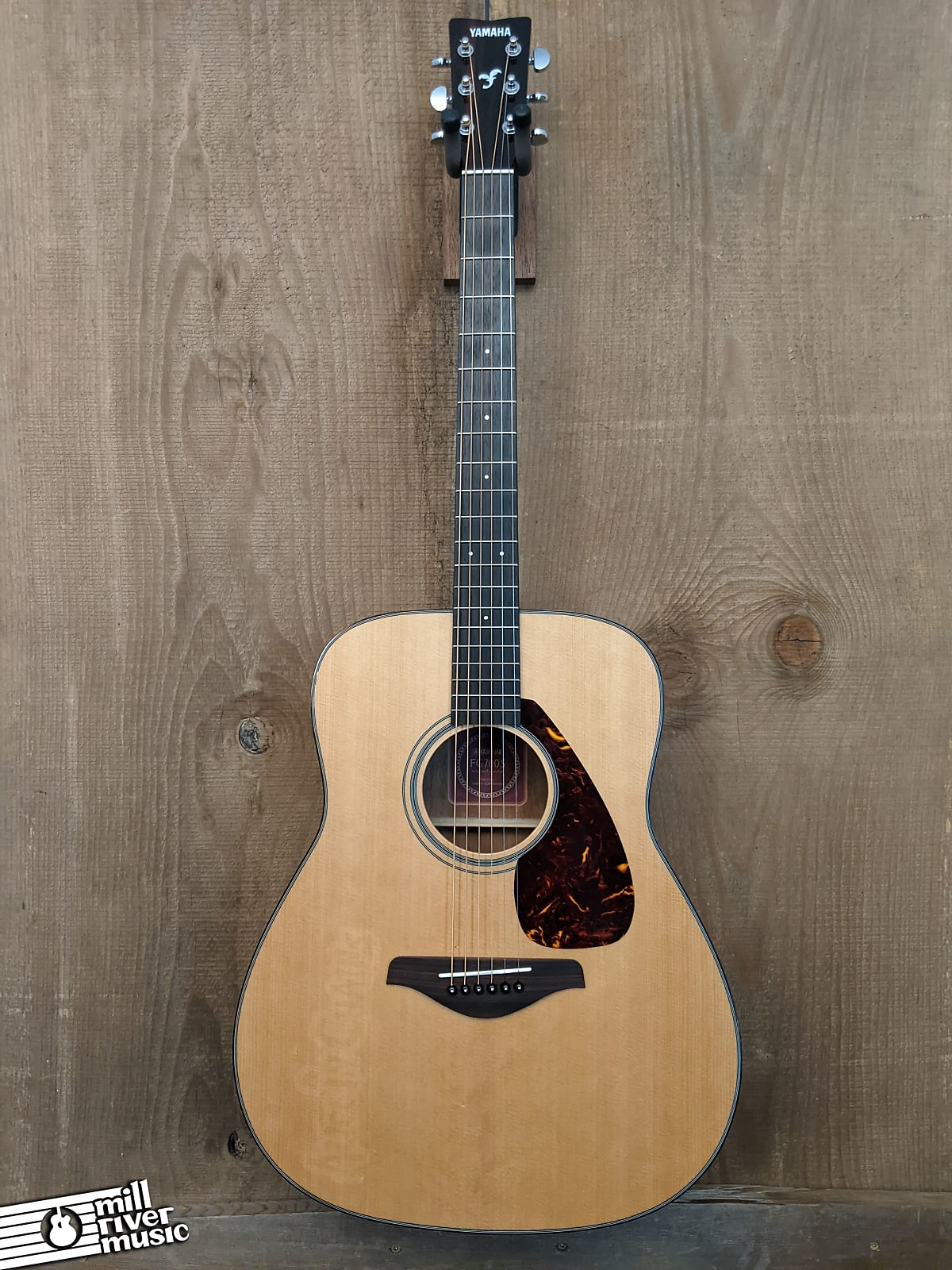
Credit: guitarspace.org
Understanding The Range Of Yamaha Acoustic Guitars
Yamaha is a reputable brand in the world of musical instruments, known for their high-quality products and innovative designs. When it comes to acoustic guitars, Yamaha offers a wide range of options for musicians of all skill levels, from beginners to professionals. Understanding the range of Yamaha acoustic guitars can help you make an informed decision when choosing the perfect instrument for your needs. In this article, we will explore the different levels of Yamaha acoustic guitars, including their features, specifications, and price range.
Entry-Level Yamaha Acoustic Guitars
Yamaha offers a selection of entry-level acoustic guitars that are perfect for beginners or those looking for a budget-friendly option. These guitars are designed to provide excellent playability and sound quality, making them an ideal choice for aspiring musicians. Features commonly found in entry-level Yamaha acoustic guitars include:
- Durable construction
- Laminated wood body
- Comfortable neck profile
- Smooth fretboard
- Quality tuners
These guitars are designed to be easy to play, allowing beginners to focus on developing their technique without feeling hindered by an inferior instrument. The price range for entry-level Yamaha acoustic guitars generally falls between $100 and $300, making them an affordable choice for those just starting their musical journey.
Intermediate-Level Yamaha Acoustic Guitars
As your skills progress and you gain more experience as a guitarist, you may find yourself wanting an instrument that can keep up with your evolving style. Yamaha offers a range of intermediate-level acoustic guitars that are built to meet the demands of more experienced players. These guitars often boast advanced features and specifications, including:
- Solid wood or high-quality laminate construction
- Enhanced sound projection
- Advanced pickup systems
- Upgraded tonewoods
- Improved bracing for better resonance
The intermediate-level Yamaha acoustic guitars strike a balance between affordability and performance. They offer superior craftsmanship and enhanced sound characteristics, allowing you to take your musical expression to the next level. The price range for intermediate-level Yamaha acoustic guitars generally falls between $300 and $1000, depending on the specific model and features.
Professional-Level Yamaha Acoustic Guitars
For those seeking the highest level of craftsmanship and performance, Yamaha offers a range of professional-level acoustic guitars that are designed for advanced players and professionals. These guitars are crafted with precision and attention to detail, utilizing the finest tonewoods and components available. Features and specifications found in professional-level Yamaha acoustic guitars include:
- Hand-selected solid tonewoods
- Master-grade craftsmanship
- Advanced bracing patterns
- Premium-grade pickups
- Custom finishes
Professional-level Yamaha acoustic guitars deliver exceptional tone, responsiveness, and playability. They are designed to meet the demands of professional musicians and provide a rich and dynamic sound that can be heard in concert halls, recording studios, and live performances. The price range for professional-level Yamaha acoustic guitars generally starts from $1000 and can go upwards depending on the specific model and customization options chosen.
Whether you are a beginner, intermediate player, or professional musician, Yamaha has an acoustic guitar that suits your needs. Understanding the different levels of Yamaha acoustic guitars, along with their features, specifications, and price range, can help you make an informed decision and find the perfect instrument that will inspire and elevate your musical journey.
Exploring Yamaha Acoustic Guitar Price Ranges
If you’re in the market for a new acoustic guitar, Yamaha is a brand that should be at the top of your list. Known for their quality craftsmanship and rich sound, Yamaha acoustic guitars have become a favorite among musicians of all levels. One of the most important considerations when buying a guitar is the price range. In this article, we’ll explore the different price ranges of Yamaha acoustic guitars, from budget-friendly options to premium models.
Budget-Friendly Options
If you’re just starting out or on a tight budget, Yamaha offers some great options that won’t break the bank. These budget-friendly acoustic guitars from Yamaha are perfect for beginners or those looking for a reliable instrument without spending a fortune. The price range for these guitars typically falls between $100 and $300, making them an affordable choice for beginners. Despite the lower price point, these guitars still offer great playability and sound quality.
Pros
- Affordable price range
- Good playability and sound quality
- Perfect choice for beginners
Cons
- May lack some premium features
- Not as durable as higher-end models
Mid-Range Options
If you’re looking for a Yamaha acoustic guitar with better quality and features, their mid-range options are worth considering. These guitars offer improved craftsmanship, better tonewoods, and enhanced electronics. The price range for mid-range Yamaha acoustic guitars usually ranges from $300 to $800, offering a balance between affordability and quality. Whether you’re an intermediate player or a professional looking for a reliable workhorse, these guitars deliver a great playing experience.
Pros
- Better craftsmanship and tonewoods
- Enhanced electronics
- Suitable for intermediate and professional players
Cons
- Higher price range
- May not have the same prestige as high-end models
High-End Options
For the discerning musician who demands the best, Yamaha offers a range of premium acoustic guitars that are truly exceptional. These high-end Yamaha acoustic guitars feature top-of-the-line materials, exquisite craftsmanship, and impeccable attention to detail. The price range for these models typically starts from $800 and can go well into the thousands of dollars. If you’re a professional player, studio musician, or simply want the finest acoustic guitar money can buy, these instruments are worth considering.
Pros
- Top-of-the-line materials and craftsmanship
- Impeccable attention to detail
- Perfect for professionals and serious musicians
Cons
- Expensive price range
- May be out of budget for casual players
Regardless of your budget or skill level, Yamaha offers a wide range of acoustic guitars to suit your needs. Whether you go for a budget-friendly option, a mid-range model, or a high-end masterpiece, Yamaha guitars are known for their quality and sound. Take your time to explore the different price ranges and find the Yamaha acoustic guitar that speaks to you.
Factors To Consider When Buying A Yamaha Acoustic Guitar
If you are in the market for a new acoustic guitar, Yamaha is a brand that should not be overlooked. With their reputation for quality craftsmanship and exceptional sound, Yamaha acoustic guitars are popular among both beginners and experienced players. However, when it comes to choosing the right Yamaha acoustic guitar for you, there are several factors to consider. By taking these factors into account, you can ensure that you make a well-informed decision and find the perfect Yamaha acoustic guitar to match your needs and preferences.
Budget and Affordability
One of the first factors to consider when buying a Yamaha acoustic guitar is your budget. Yamaha offers a range of guitars at different price points, from affordable options for beginners to high-end models for professional players. Determine how much you are willing or able to spend on your new guitar before starting your search. This will help narrow down your options and ensure that you are only considering guitars that are within your budget.
Skill Level and Guitar Goals
Another important factor to consider is your skill level and guitar goals. Are you a beginner just starting out, or an experienced player looking to upgrade? Different Yamaha models are designed for different skill levels and playing styles. Consider how advanced your playing is and what you hope to achieve with your new guitar. This will help you choose a Yamaha acoustic guitar that is suitable for your current skill level and will help you progress as a musician.
Tonewoods and Sound Quality
The choice of tonewoods used in the construction of a Yamaha acoustic guitar can greatly impact its sound quality. Different tonewoods have unique characteristics and produce different tones. Yamaha offers guitars made with a variety of tonewoods, including spruce, mahogany, rosewood, and more. Research the sonic properties of different tonewoods to find the sound that resonates with you. Consider whether you prefer a bright and articulate tone or a warm and mellow sound. Understanding tonewoods will help you select a Yamaha acoustic guitar that delivers the sound quality you desire.
Guitar Body Style and Comfort
The body style of a Yamaha acoustic guitar not only affects its visual appeal but also its comfort and playability. Yamaha offers various body styles, such as dreadnought, concert, and jumbo, each with its own unique characteristics. Consider your body size and playing preferences to determine the body style that suits you best. A larger body may produce a louder and more resonant sound, while a smaller body may be more comfortable for players with a smaller frame. Finding a guitar body style that feels comfortable and allows you to play with ease is essential for an enjoyable playing experience.
Electronics and Amplification Options
If you plan to perform live or record with your Yamaha acoustic guitar, considering the electronics and amplification options is crucial. Yamaha offers models with built-in pickups and preamps, allowing you to easily plug into an amplifier or sound system. Determine whether you require these electronic features to meet your sound reinforcement needs. Additionally, look for guitars that offer a balanced and natural sound when amplified, ensuring that your tone remains authentic and true to the acoustic qualities of the instrument.
By carefully considering these factors – budget, skill level, tonewoods, guitar body style, and electronics – you will be equipped to make an informed decision when buying a Yamaha acoustic guitar. Remember to try out multiple models, listen to their sound qualities, and choose a guitar that feels comfortable and inspires you to play. With the right Yamaha acoustic guitar in your hands, you’ll be on your way to creating beautiful music and enjoying countless hours of playing pleasure.
Exploring Yamaha Acoustic Guitar Models And Series
When it comes to acoustic guitars, Yamaha is a brand that needs no introduction. With a reputation for crafting high-quality instruments, Yamaha offers a wide range of acoustic guitars that cater to both beginners and seasoned musicians. In this section, we will explore the various models and series offered by Yamaha, and help you find the best value for your money.
Yamaha FG Series
The Yamaha FG Series is Yamaha’s long-running steel-string acoustic guitar family, introduced in 1966 with models such as the FG180. The current range spans beginner-friendly instruments through high-end models.
Main FG models
| Model | Main construction | Character |
|---|---|---|
| FG800 | Solid spruce top, nato/okoume back & sides | Entry-level, balanced |
| FG820 | Solid spruce, mahogany back & sides | Warmer/stronger tone |
| FG830 | Solid spruce, rosewood back & sides | More depth, overtones & sustain |
| FG840 | Solid spruce, flamed maple back & sides | Clear, transparent sound |
| FG850 | Solid mahogany top, mahogany back & sides | Warm, woody sound |
These models use Yamaha’s scalloped-bracing design, intended to increase low-to-mid-range projection while retaining top durability.
FG vs FS
-
FG = larger dreadnought-style body, generally giving a fuller, stronger acoustic response.
-
FS = smaller concert-style body, with a shorter 25″ scale on the current 800-series models and a more compact feel.
-
FGX = FG-style guitar with a cutaway and electronics for plugging into an amplifier/PA.
At the upper end, Yamaha also makes the FG9, its flagship dreadnought acoustic, while the FG/FS Red Label range draws inspiration from Yamaha’s 1960s designs.
Yamaha APX Series
The Yamaha APX Series is Yamaha’s family of thin-body acoustic-electric guitars, designed primarily for comfortable playing and amplified performance. Compared with the larger FG dreadnoughts, APX guitars have a noticeably slimmer body and typically include a cutaway for easier access to the upper frets.
Main APX models
| Model | General position | Key characteristics |
|---|---|---|
| APX600 | Entry-level | Thin body, spruce top, comfortable neck, System65 electronics |
| APX700II | Mid-range | Solid spruce top, higher-quality construction/electronics |
| APX1000 | Upper mid-range | Solid spruce top, upgraded appointments and electronics |
| APX1200II | High-end | Solid Engelmann spruce top, premium tonewoods and electronics |
What makes the APX different?
-
🎸 Thin body: Easier to hold than a full-size dreadnought.
-
🎤 Built for amplification: Yamaha’s onboard pickup/preamp systems are a major part of the APX design.
-
✋ Cutaway: Convenient access to higher frets.
-
🔊 Stage-friendly: The plugged-in sound is a major strength of the series.
-
🎵 Acoustic tone: Generally more focused and less boomy than a full-sized FG dreadnought.
APX vs FG
| Yamaha APX | Yamaha FG | |
|---|---|---|
| Body | Thin acoustic-electric | Full-size acoustic |
| Primary use | Plugged-in/stage playing | Acoustic playing |
| Comfort | Very comfortable | Larger body |
| Upper-fret access | Excellent | More limited |
| Unplugged volume | Moderate | Generally higher |
| Bass response | Tighter | Fuller |
| Electronics | Usually included | Depends on model |
In short: If you mainly want a guitar for singing while plugged into an amp/PA, the APX concept makes a lot of sense. If you primarily play unplugged, an FG generally gives you a bigger acoustic sound.
Yamaha L Series
The Yamaha L Series is Yamaha’s premium line of steel-string acoustic guitars, positioned above the mainstream FG range. The series emphasizes high-quality tonewoods, acoustic projection, craftsmanship, and a more refined playing experience.
Main L Series families
| Family | Body | General character |
|---|---|---|
| LL | Yamaha’s larger original body | Full, powerful, versatile |
| LJ | Jumbo/medium-jumbo style | Balanced with strong projection |
| LS | Smaller concert body | Focused, comfortable, articulate |
| A-Series | Acoustic-electric designs | L-style acoustic sound with stage electronics |
Popular models
LL16 / LL16 ARE
-
Solid Engelmann spruce top
-
Solid rosewood back and sides
-
Yamaha A.R.E. (Acoustic Resonance Enhancement) treatment
-
Yamaha SRT Zero Impact pickup on current versions
-
Excellent all-around L Series option
LS16 / LS16 ARE
-
Similar premium construction to the LL16
-
Smaller body
-
Easier to hold, with a focused and articulate response
-
Particularly suited to fingerstyle and players who prefer a compact guitar
LL26 / LL36
-
Higher-end L Series instruments
-
More elaborate tonewood choices and appointments
-
Built in Yamaha’s premium acoustic-guitar tradition
L Series vs FG Series
| Yamaha L Series | Yamaha FG Series | |
|---|---|---|
| Position | Premium | Beginner → intermediate/premium |
| Construction | Higher-end materials | Varies by model |
| Tone | Refined, complex | Strong, straightforward |
| Projection | Excellent | Excellent for the price |
| A.R.E. | Selected models | Generally not the defining feature |
| Price | Higher | Much wider range |
| Best suited to | Serious players | Beginners through experienced players |
What is A.R.E.?
A.R.E. stands for Acoustic Resonance Enhancement. Yamaha uses a proprietary treatment intended to give new wood some of the tonal characteristics associated with aged tonewood—particularly a more mature, resonant response.
One important distinction
The L Series isn’t simply an “upgraded FG.” Yamaha designed the L Series around different body shapes and construction approaches. For example, an LL16 and an FG830 can both be excellent guitars but have noticeably different responses.
If you’re looking at Yamaha’s acoustic lineup as a whole, a simple way to think about it is:
FG → traditional/value-focused acoustic
APX → thin-body acoustic-electric/stage guitar
L → premium traditional acoustic
Yamaha A Series
The Yamaha A Series is Yamaha’s range of acoustic-electric guitars designed with live performance in mind. Compared with the traditional FG and L Series, the A Series puts more emphasis on plugged-in sound, comfort, and onboard electronics while retaining a conventional acoustic-guitar feel.
Main A Series families
| Family | Body style | General character |
|---|---|---|
| A | Traditional/medium body | Balanced, versatile |
| AC | Concert-style | Comfortable, focused |
| A1 / AC1 | Entry-level | Affordable acoustic-electric |
| A3 / AC3 | Premium | Solid-wood construction, refined tone |
| A5 / AC5 | Higher-end | Premium woods and electronics |
Popular models
A1M
-
Solid Sitka spruce top
-
Mahogany back and sides
-
Yamaha SRT pickup system
-
Natural, balanced acoustic-electric sound
AC1M
-
Similar concept to the A1M
-
Smaller concert-style body
-
Comfortable for seated playing
-
Good balance between acoustic tone and amplified performance
A3M / AC3M
-
Solid-wood construction
-
More sophisticated acoustic response
-
SRT2 electronics
-
Available in different body configurations
A5R / AC5R
-
Higher-end A Series
-
Rosewood-focused construction
-
Premium electronics
-
More elaborate finish and appointments
A Series vs L Series
This is where Yamaha’s lineup can get confusing.
| A Series | L Series | |
|---|---|---|
| Main focus | Acoustic + amplified performance | Premium acoustic guitar |
| Electronics | A major feature | Available on selected models |
| Body options | A and AC | LL, LS, LJ, etc. |
| Acoustic tone | Strong | Stronger emphasis on acoustic refinement |
| Stage use | Excellent | Also excellent |
| Player focus | Performers/songwriters | Acoustic-focused players |
The A Series is not simply an electronic version of the L Series. Yamaha gives the A Series its own body designs and electronics, particularly the SRT2 pickup system, which is designed to produce a more natural amplified sound.
Where it fits
A simplified Yamaha acoustic lineup would be:
FG → traditional, great-value acoustic
APX → thin, stage-oriented acoustic-electric
A → full/comfortable acoustic-electric for performers
L → premium traditional acoustic
Red Label → vintage-inspired acoustic designs
Yamaha Silent Guitars
The Yamaha Silent Guitar series is designed for quiet practice, headphone playing, recording, and travel. Unlike Yamaha’s FG, A, and L guitars, the Silent Guitar is built around an electronic pickup system rather than a conventional acoustic soundbox.
Main models
| Model | Type | Key feature |
|---|---|---|
| SLG200S | Steel-string | Slim, travel-friendly steel-string Silent Guitar |
| SLG200N | Nylon-string | Nylon strings with a more classical-style neck |
| SLG200NW | Nylon-string | Wider classical-style neck |
| SLG200 series | Silent Guitar | Headphone/line-out focused design |
What makes it “Silent”?
When you play an ordinary acoustic guitar, the hollow body amplifies the strings acoustically. The Silent Guitar largely removes that resonating body, so unplugged volume is dramatically reduced.
You can then use headphones to hear the guitar through Yamaha’s onboard electronics.
Features
-
🎧 Headphone practice
-
🔇 Much quieter than a normal acoustic guitar
-
🎛️ Built-in effects such as reverb
-
🎵 AUX input for playing along with external audio
-
🔌 Line output for connecting to recording equipment or amplification
-
🧳 Compact and convenient for travel
-
🪕 Available in steel-string and nylon-string versions
Silent Guitar vs APX
| Silent Guitar | APX | |
|---|---|---|
| Main purpose | Quiet practice/travel | Stage + acoustic-electric playing |
| Acoustic body | Minimal/no traditional soundbox | Thin acoustic body |
| Unplugged volume | Very low | Normal acoustic volume |
| Headphones | Yes | Generally not the main purpose |
| Built-in effects | Yes, depending on model | More limited |
| Travel | Excellent | Good |
| Live performance | Possible | Primary use case |
In simple terms:
APX = acoustic guitar made thinner for performance.
Silent Guitar = electronic guitar designed to be played quietly.
For someone living in an apartment or wanting to practice without disturbing others, the SLG200S is particularly interesting if you prefer steel strings; the SLG200N/NW are the options to look at for nylon strings.
Which Yamaha Guitar Brings The Most Value Amongst All?
If by “most value” you mean the best combination of price, build quality, sound, versatility, and how long the guitar can remain useful as you improve, I’d put the Yamaha FG830 at the center of the Yamaha lineup you’ve mentioned.
My value breakdown
| Series / model | Value proposition | Best suited for |
|---|---|---|
| FG800 | ⭐⭐⭐⭐⭐ | Maximum value on a tighter budget |
| FG830 | ⭐⭐⭐⭐⭐ | Best overall value |
| APX600 | ⭐⭐⭐⭐½ | Players who specifically need a thin acoustic-electric |
| A Series | ⭐⭐⭐⭐ | Regular amplified/live playing |
| L Series | ⭐⭐⭐⭐ | Higher-end acoustic quality |
| Silent Guitar | ⭐⭐⭐⭐ | Quiet practice/travel |
| APX700+ | ⭐⭐⭐⭐ | More premium stage-oriented setup |
🏆 My pick: Yamaha FG830
The reason is fairly straightforward: Yamaha gives the FG830 a solid spruce top, rosewood back and sides, scalloped bracing, and a traditional dreadnought body. Yamaha specifically describes the rosewood construction as providing greater depth, overtones, and sustain.
That makes it a particularly strong “one guitar for years” choice.
The FG800, however, is the better budget value. It retains a solid spruce top and scalloped bracing while using nato/okoume for the back and sides.
When I would choose something else
Choose APX600 if comfort and plugging into an amplifier/PA matter more than maximum unplugged acoustic sound. Its thin 80–90 mm body, 25″ scale and stage-focused pickup system are specifically designed around that use case.
Choose A Series if you regularly perform amplified and want something more substantial than an APX.
Choose L Series if you’re deliberately moving into Yamaha’s premium acoustic territory. The L range goes all the way from models such as the LL6/LS6 to high-end LL56/LS56 instruments, so it isn’t really competing on budget value with the FG830.
Choose Silent Guitar if quiet practice is the defining requirement. Otherwise, you’re paying for a specialized feature set rather than getting the most acoustic guitar for your money.
The simplest answer
If I had to narrow the entire Yamaha lineup down to three:
💰 Lowest-cost value → FG800
🎸 Best overall value → FG830
🎤 Best value for amplified/stage use → APX600
And if you don’t specifically need electronics, I’d look at the FG830 first. It gives you a traditional full-size acoustic, solid top, quality construction, and enough room acoustically that you aren’t likely to feel you’ve immediately outgrown it.
Tips For Finding The Best Deals On Yamaha Acoustic Guitars
If you’re in the market for a Yamaha acoustic guitar, you probably already know that they are renowned for their exceptional quality and craftsmanship. But when it comes to finding the best deals on these guitars, it’s important to do your research and explore all your options. In this article, we’ll share some valuable tips that will help you find the best deals on Yamaha acoustic guitars, so you can get the instrument you’ve been dreaming of without breaking the bank.
Researching and Comparing Prices
When searching for a Yamaha acoustic guitar, it’s crucial to research and compare prices from different retailers. Start by visiting the websites of authorized Yamaha dealers and take note of the prices they offer. Look for any ongoing promotions or discounts mentioned on their websites. Additionally, make use of online marketplaces and music instrument forums to see if there are any individual sellers offering competitive prices. By comparing prices, you can ensure that you find the best deal available for the Yamaha acoustic guitar you want.
Checking for Sales and Promotions
Sales and promotions are an excellent way to get a great deal on a Yamaha acoustic guitar. Keep an eye out for special sales events during holidays like Black Friday, Cyber Monday, or during the summer season. Many authorized Yamaha dealers offer discounts, bundles, or limited-time promotions on their websites. By regularly checking their websites or signing up for their newsletters, you can be notified about these special deals and potentially save a significant amount of money.
Considering Used or Pre-Owned Options
If you’re working with a tight budget, considering used or pre-owned Yamaha acoustic guitars can be a smart move. Many musicians take great care of their instruments, and you can often find high-quality Yamaha guitars at a fraction of the price of a new one. When purchasing a used guitar, ensure that you thoroughly inspect it for any visible damages or issues. If possible, play the guitar to get a feel for its sound and condition. Websites like eBay or Reverb are great platforms to find used Yamaha acoustic guitars from verified sellers.
Shopping from Authorized Yamaha Dealers
One of the best ways to guarantee the authenticity and quality of your Yamaha acoustic guitar is by shopping from authorized Yamaha dealers. These dealers have direct partnerships with the manufacturer and carry genuine Yamaha products. Not only will you have access to the latest models and variations, but you’ll also receive any applicable warranties and customer support. By purchasing from authorized dealers, you can have peace of mind knowing you’re getting an authentic Yamaha acoustic guitar that meets the highest standards of quality.
In conclusion, finding the best deals on Yamaha acoustic guitars requires careful research, an understanding of the market, and consideration of various buying options. By following the tips outlined above, you’ll be well on your way to finding a Yamaha acoustic guitar that is not only high-quality but also fits within your budget.
Frequently Asked Questions Of How Much Are Yamaha Acoustic Guitar
Is Yamaha Good Acoustic Guitar?
Yes, Yamaha is known for producing high-quality acoustic guitars that are popular among musicians.
What Is The Average Price Of An Acoustic Guitar?
The average price of an acoustic guitar varies, but generally falls between $100 to $500.
How Long Does A Yamaha Acoustic Guitar Last?
A Yamaha acoustic guitar can last for many years with proper care and maintenance. The lifespan may vary depending on usage and handling, but with regular maintenance and responsible ownership, a Yamaha acoustic guitar can provide enjoyment for a lifetime.
Is Yamaha A Good Beginner Guitar?

Yes, Yamaha is a great choice for beginners because they offer well-crafted guitars with good sound quality.
Conclusion
To sum up, Yamaha acoustic guitars offer a range of options to suit every budget and skill level. With their excellent craftsmanship and superior sound quality, they are worth every penny. Whether you are a beginner or a professional, investing in a Yamaha acoustic guitar will surely enhance your playing experience.
So, don’t hesitate to explore the various models available and find the perfect one that matches your musical aspirations.
As an Amazon Associate, Cleanestor earns from qualifying purchases at no additional cost to you.